Government Reverses Decision on Local Elections After Legal Pressure
In a significant policy reversal, ministers have officially abandoned controversial proposals to delay local elections across 30 English councils scheduled for this May. The sudden change follows a high-stakes legal challenge mounted by Reform UK against the Government's initial decision, which had sparked widespread debate and concern over democratic processes.
Legal Advice Forces Government Retreat
Local Government Secretary Steve Reed had previously supported the postponement, citing administrative capacity issues and ongoing structural reorganisations within local authorities. However, today's confirmation of the retreat came after fresh legal assessments highlighted the feasibility and necessity of proceeding with the elections as planned.
A spokesperson for the Ministry of Housing, Communities and Local Government (MHCLG) stated in a morning release: "Following legal advice, the Government has withdrawn its original decision to postpone 30 local elections in May." The department emphasised that providing clarity and certainty to councils is now the absolute priority for the upcoming electoral cycle, adding: "Providing certainty to councils about their local elections is now the most crucial thing, and all local elections will now go ahead in May 2026."

Reform UK Claims Victory in Legal Battle
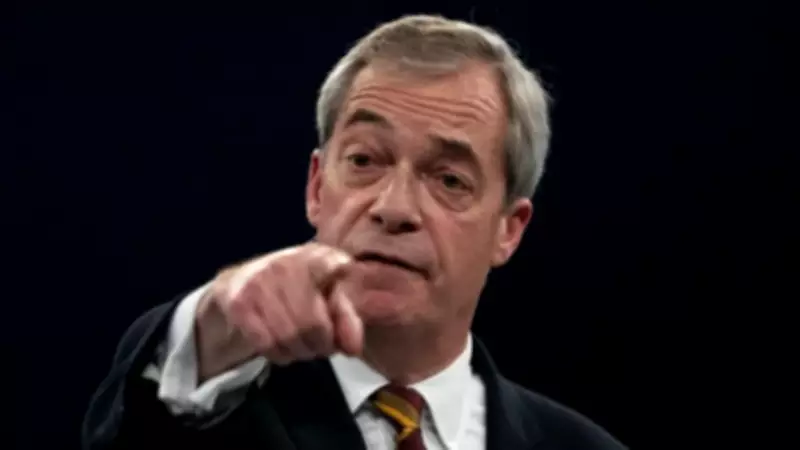
Reform UK leader Nigel Farage quickly seized on the decision, declaring it a definitive win for his party's legal strategy. Taking to social media platform X, he posted: "We took this Labour Government to court and won." The dispute had been escalating since January, when Mr Justice Chamberlain noted Reform UK's intent to prevent any changes to election dates. The party had pushed for a resolution before March deadlines, when official election notices must be legally published to ensure a smooth democratic process.
A further High Court hearing had been scheduled for later this week to settle the matter, but with the Government now withdrawing its opposition, the electoral process will proceed as originally scheduled across the affected regions. This development underscores the importance of legal frameworks in upholding democratic norms and timelines.
Implications for Local Authorities and Voters
The reversal means that local councils can now proceed with election preparations without uncertainty, allowing for proper planning and resource allocation. Voters in the 30 affected areas will have the opportunity to participate in the democratic process as expected, reinforcing transparency and accountability in local governance.
This episode highlights the ongoing tensions between government policy and legal oversight, with Reform UK's challenge serving as a reminder of the role opposition parties play in holding administrations accountable. As the elections approach, all eyes will be on how local authorities manage the logistical challenges previously cited as reasons for delay.