Labour Government Pressed to Overhaul BBC TV Licence Fee System
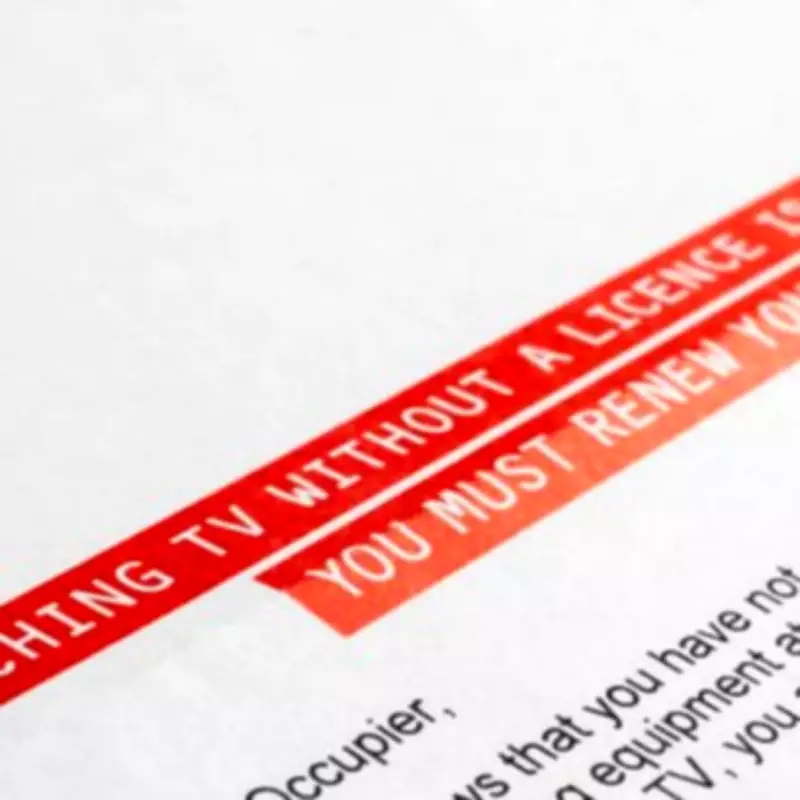
The Labour Party government has received a strong message to eliminate the BBC TV licence fee, as the annual charge is set to increase to £180 starting in April due to inflationary pressures. This price hike, confirmed by the government, has sparked renewed demands from advocacy groups to completely scrap the fee, arguing it is outdated and coercive.
Campaigners Advocate for a Modern Funding Approach
Rebecca Ryan, representing the campaign group Defund the BBC, emphasized that abolishing the licence fee would not mean dismantling the BBC but rather modernizing its funding structure. She stated, "Scrapping the licence fee wouldn’t mean scrapping the BBC. It would mean bringing it into the 21st century – funded by choice not coercion." Ryan pointed out that there is no ideal time for such a change, but the current moment presents a clear opportunity for reform.
The call for change comes amid the ongoing BBC Charter Review, which is examining the broadcaster's funding model. Ryan highlighted that public trust in the BBC has been eroded by editorial scandals and governance issues, yet households still face prosecution for non-payment. She argued, "That model looks increasingly indefensible in a modern on-demand world," adding that the licence fee no longer offers good value for money.

Government Defends Fee Increase Amid Criticism
Labour has defended the fee increase, stating it will help maintain the BBC's financial stability and support its mission and public purposes. However, campaigners counter that the BBC should rely on voluntary payments rather than enforced subscriptions. Ryan remarked, "The idea that watching live television should carry a criminal penalty belongs to a different era. The BBC is not entitled to guaranteed income. If its content is distinctive and high quality, people will pay for it voluntarily."
She further noted that the BBC, with its strong brand recognition and global reach, should compete in the market rather than compel funding through legal mandates.
BBC's Role and the Impact of the Price Hike
The government acknowledged that the BBC remains the UK's most trusted and widely used news outlet, with 94% of adults accessing its services monthly last year. The annual colour TV licence will rise by £5.50, equivalent to an extra 46p per month, as confirmed last month. This adjustment aims to align with inflation but has intensified debates over the fee's relevance in today's digital landscape.
As discussions continue, the Labour government faces mounting pressure to reconsider the TV licence system, balancing the need for public broadcasting support with calls for a more contemporary, choice-based funding model.