Senior police leaders in the West Midlands are facing intense scrutiny from a powerful cross-party group of MPs today, Monday, over their role in the controversial decision to ban away fans from a major European football match.
Parliamentary Inquiry Launched
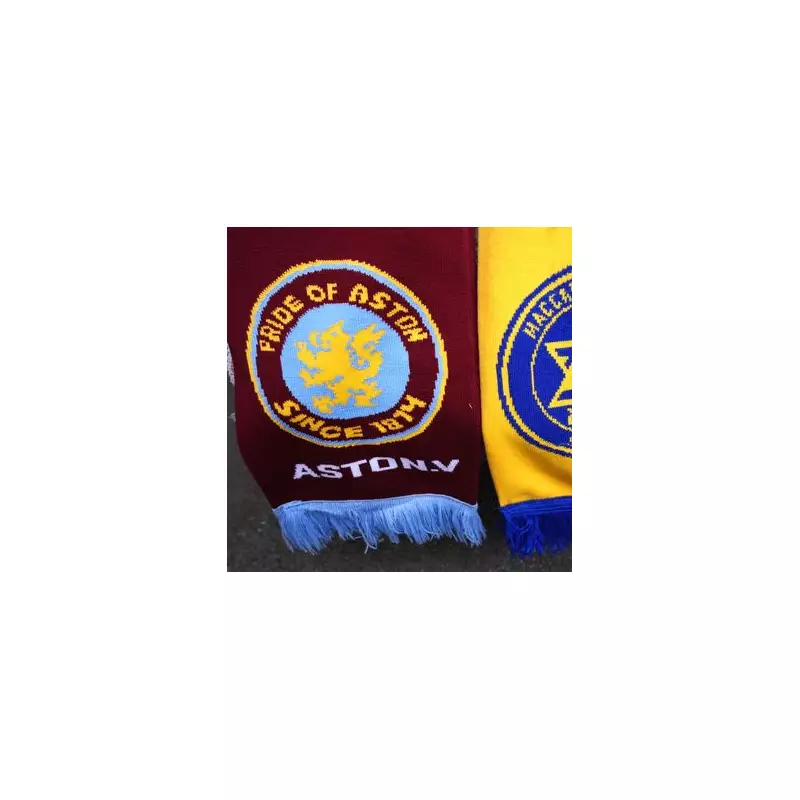
The Home Affairs Committee is set to interrogate Chief Constable Craig Guildford, Assistant Chief Constable Mike O'Hara, and Police and Crime Commissioner Simon Foster. This session follows weeks of national controversy and demands for clarity regarding the ban on supporters of Israeli club Maccabi Tel Aviv from attending the Europa League clash with Aston Villa on November 6.
The match, which Aston Villa won 2-0, proceeded under a safety certificate issued by the Birmingham City Council-chaired Safety Advisory Group. This certificate explicitly mandated that no away fans be present. However, the police force's recommendation to impose this ban has become the source of significant anger and conflicting accounts.

Mounting Political Pressure and Backlash
The decision sparked a prominent political backlash, most notably from Prime Minister Keir Starmer, who publicly expressed his anger. The move was labelled as potentially antisemitic by critics, leading to sustained calls for the Chief Constable to resign over the handling of the affair.
Adding to the gravity of the situation, Policing Minister Sarah Jones and the government's independent adviser on antisemitism, Labour peer Lord Mann, will also provide evidence to the parliamentary panel. Their testimony is expected to shed further light on the wider implications of the decision.
Reputation and Accountability at Stake
At the heart of today's hearing is the reputation of one of the UK's largest police forces. MPs are determined to unravel the precise chain of events and reasoning that led to the force's recommendation. The committee aims to establish a clear, definitive account to address the widespread confusion and to assess whether correct protocols were followed.
The outcome of this parliamentary grilling could have significant consequences for the senior officers involved and set a precedent for how similar security decisions are made for high-profile international sporting events in the future.