Rossendale Council Leader Calls for Public Engagement on Major Government Restructure
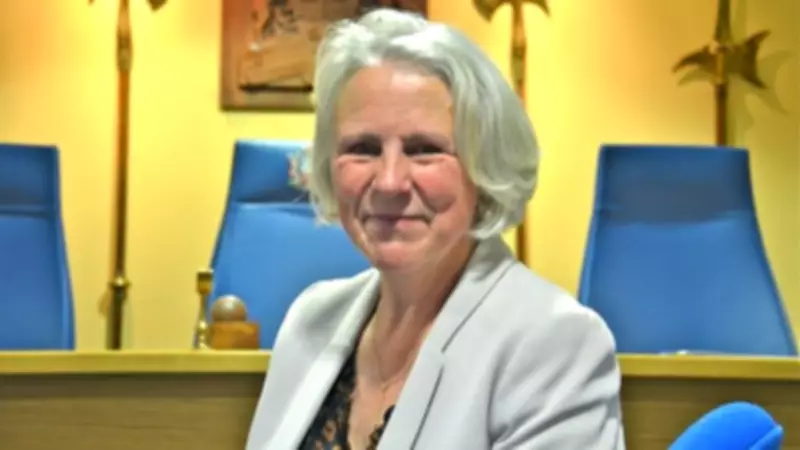
Council leader Alyson Barnes has issued a compelling appeal to residents and businesses across Rossendale, urging them to seize a rare opportunity to influence the future of local government in Lancashire. The Government has initiated a formal consultation on proposals to overhaul the current council structure, aiming to replace the existing two-tier system of county and district councils with new unitary authorities that would manage all services within their respective areas.
Addressing an Outdated System
Barnes emphasises that the current framework is antiquated, having been designed for a bygone era and now struggling to meet modern expectations for straightforward and responsive services. The division of responsibilities between councils often results in duplication, confusion, and inefficiencies, with issues such as disputes over waste transfer stations and pressures on public health budgets, highways, and leisure provision highlighting these systemic flaws. In an era of prolonged budget constraints, these weaknesses have become increasingly apparent.
Proposed Benefits of Reorganisation
The reorganisation is intended to tackle these challenges by establishing larger unitary councils responsible for all local services. This consolidation across broader geographical areas is expected to facilitate better cost-sharing, enhance accountability, and bolster financial resilience. Additionally, it would streamline decision-making processes, reduce bureaucratic layers, and align with wider governmental goals to minimise fragmentation and boost operational efficiency.

Rossendale's Preferred Model
Rossendale Borough Council advocates for the creation of three unitary councils across Lancashire, a model believed to strike an optimal balance. It is deemed sufficiently large to ensure financial stability and deliver efficiencies, yet not so extensive as to dilute local identity and accountability. Detailed information on this preferred option and its underlying rationale is accessible on the Council's official website.
A Proactive Response to Pressures
Barnes clarifies that this initiative is not merely change for the sake of change but a proactive measure to address ongoing budget pressures and escalating service demands. Vital sectors like public health, waste management, education, and social care face mounting challenges, and modernising the structure now aims to establish a more sustainable model of local government capable of serving communities effectively for decades to come.
Consultation Details and Timeline
The consultation period remains open until March 26, with a ministerial decision anticipated by summer 2026 and new unitary councils scheduled to become operational in April 2028. Barnes strongly encourages participation, noting that while the consultation is primarily conducted online, paper copies and support are available for those less comfortable with digital formats to ensure inclusivity.
Shaping the Future
These decisions will profoundly impact service delivery across Lancashire for a generation, making it crucial for Rossendale's voice to be heard clearly and confidently. Barnes hopes residents and businesses will contribute their views to help build a modern, efficient, and future-ready system of local government.
For further inquiries, Alyson Barnes can be contacted by phone at 07817 414248 or via email at alysonbarnes@rossendalebc.gov.uk.