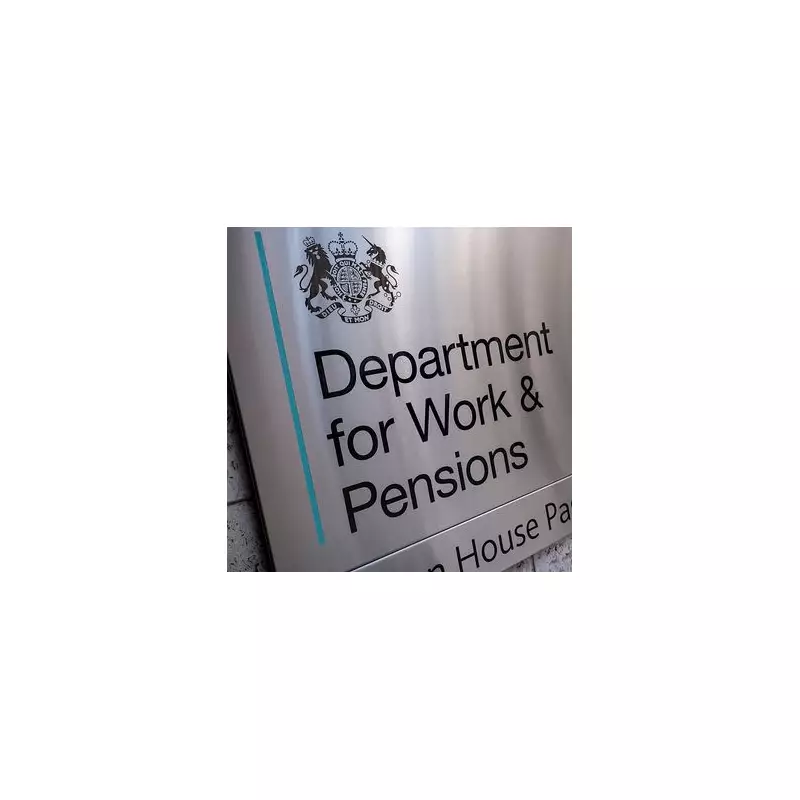
A controversial call has been made to abolish the Department for Work and Pensions' annual £10 Christmas Bonus, with critics arguing the nation's finances cannot sustain the nearly £200 million cost.
The Case for Ending the Festive Payment
In a stark assessment, Telegraph writer James Baxter-Derrington has demanded the termination of the long-standing festive payment. He contends that with the payment now reaching more than 18 million people – over a quarter of the UK's population – the £186 million total expense is unsustainable.
"Even if you were to conjure some moral argument for offering more than a quarter of the country a taxpayer-funded Christmas present, it is obvious that we do not live in a nation that can afford such a thing," Baxter-Derrington wrote. This criticism comes against a backdrop of a soaring welfare bill, which is projected to hit £406 billion annually by the 2029-30 financial year.

Who Currently Qualifies for the £10 Bonus?
To be eligible for the tax-free Christmas Bonus, individuals must be receiving a qualifying benefit during the first full week of December, known as the 'qualifying week'. They must also be living or 'ordinarily resident' in the UK, Channel Islands, Isle of Man, or Gibraltar at that time.
The payment is automatically made into the account where other benefits are paid and may appear as 'DWP XB' on bank statements. It does not affect any other benefit entitlements.
The list of qualifying benefits is extensive and includes:
- State Pension
- Pension Credit
- Personal Independence Payment (PIP)
- Adult Disability Payment
- Carer’s Allowance
- Attendance Allowance
- Disability Living Allowance
- Employment and Support Allowance (contribution-based, after the initial 13 weeks)
- Armed Forces Independence Payment
- War Widow’s Pension
Married couples, civil partners, or cohabiting partners who both qualify will each receive the £10 bonus. Furthermore, if one partner is over State Pension age and receives a qualifying benefit, their partner may also be eligible if both are over pension age by the qualifying week, subject to residency conditions.
A Growing Pressure on Public Finances
The debate over the Christmas Bonus highlights a broader tension concerning public spending. With forecasts indicating that one in every four pounds of government expenditure will go towards benefits by the end of the current Parliament, every line item is facing increased scrutiny.
While the £10 sum may seem symbolic to some, its aggregate cost presents a significant figure. The argument for its abolition centres on fiscal responsibility, questioning the necessity of a universal festive payment to benefit recipients at a time of considerable strain on the public purse.
Proponents of the bonus, however, may view it as a vital gesture of support for vulnerable households during the expensive winter period. The future of the decades-old tradition now appears uncertain as the national conversation around welfare spending intensifies.