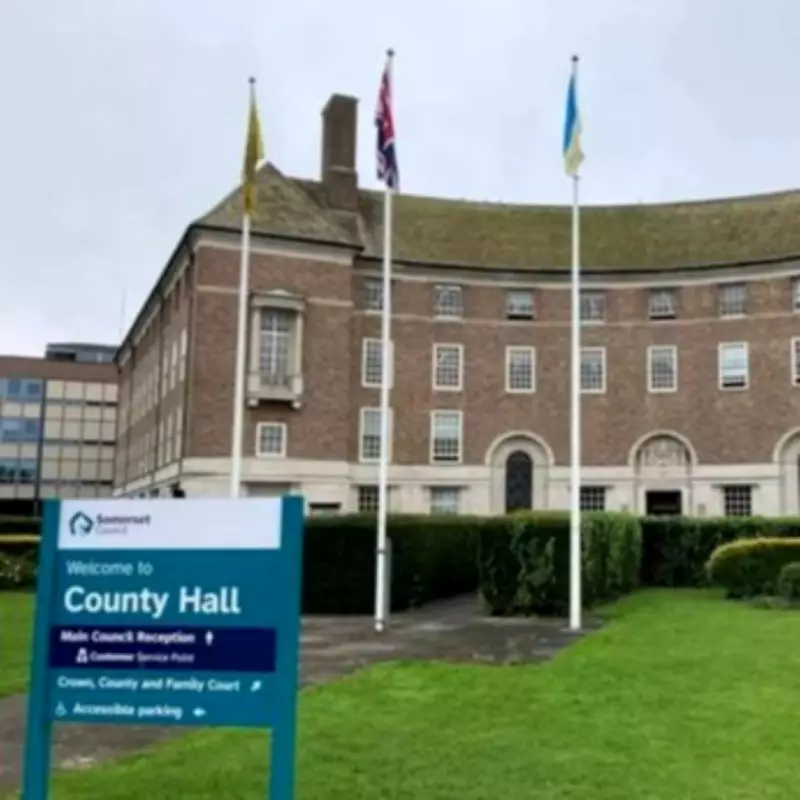
Somerset Council is currently navigating the complex process of setting its annual budget, with rising demand for services and increasing costs creating substantial financial pressures. However, the authority's interim finance chief has provided reassurance that the council is not at immediate risk of declaring effective bankruptcy within the coming year.
Budget Deficit Shows Improvement
The council's projected budget deficit for the 2026/27 financial year has shown significant improvement in recent months. From an initial gap of £101 million, representing approximately 17 percent of the net revenue budget, the shortfall decreased to £73 million in December 2025 and has since reduced further to approximately £41.4 million.
Clive Heaphy, the council's interim chief financial officer, expressed cautious optimism about the situation. "We have probably moved slightly away from a financial emergency, but let's be clear: we still have deep issues to do with our budget and balancing our finances, and we still have a lot of work to do," he stated during a recent scrutiny committee meeting in Taunton.

Government Support and Council Tax Considerations
To address the remaining budget gap, Somerset Council is relying substantially on exceptional financial assistance from central government. This support allows the authority to use proceeds from asset sales to fund day-to-day expenditure, a practice not normally permitted under standard financial regulations.
The council faces constraints on council tax increases, with the Ministry of Housing, Communities and Local Government rejecting proposals for rises above the 4.99 percent threshold that would trigger a local referendum. The authority currently operates a council tax reduction scheme that provides support for residents struggling with payments, with approximately 12,800 Somerset residents paying no council tax under the current arrangements.
Political Perspectives on Financial Strategy
Councillor Dave Mansell, leader of the opposition Green group, expressed concerns about the council's financial strategy. "We have relied a lot on the capitalisation, and I tend to think we've relied on that too much – we've avoided doing something better with that money," he commented, referring to the use of asset sale proceeds for the council's transformation programme.
Councillor Henry Hobhouse of the Liberal Democrats highlighted broader systemic issues, particularly in social care provision. "In my division, I have Chilton Cantelo special needs school and six different adult social care homes – almost every single one of which are now owned by financial institutions in London," he noted, expressing concern about the costs associated with these services.
Budget Timeline and Governance
The council faces a critical deadline of March 11 to legally set its budget. Failure to meet this deadline would trigger a Section 114 notice, effectively declaring bankruptcy and resulting in government commissioners taking control of the authority's finances with minimal democratic oversight.
Mr Heaphy provided reassurance on this front, stating: "I am pleased to say that this year, we are not in Section 114 territory at the moment." He anticipates the projected budget shortfall will decrease further once the government confirms the final local government funding settlement.
The council's executive committee will reconvene to examine specific financial matters, including rental levels for the authority's housing portfolio. A dedicated executive session is scheduled for February 25 to scrutinise cost-saving proposals and potential fee adjustments.
Looking Ahead
The full council will convene at the Canalside conference centre in Bridgwater on March 4 to ratify the budget, with a backup meeting arranged for March 6 if required. Following budget approval, the council will appoint a permanent successor to Mr Heaphy, with discussions about this appointment scheduled for a confidential session of the senior management appointments committee.

While the immediate threat of bankruptcy has receded, Somerset Council continues to face significant financial challenges as it works to balance increasing service demands with constrained resources. The coming weeks will be crucial as the authority finalises its budget and seeks to establish a sustainable financial footing for the future.