WASPI Women Escalate Fight for £2,950 Compensation with New Legal Challenge
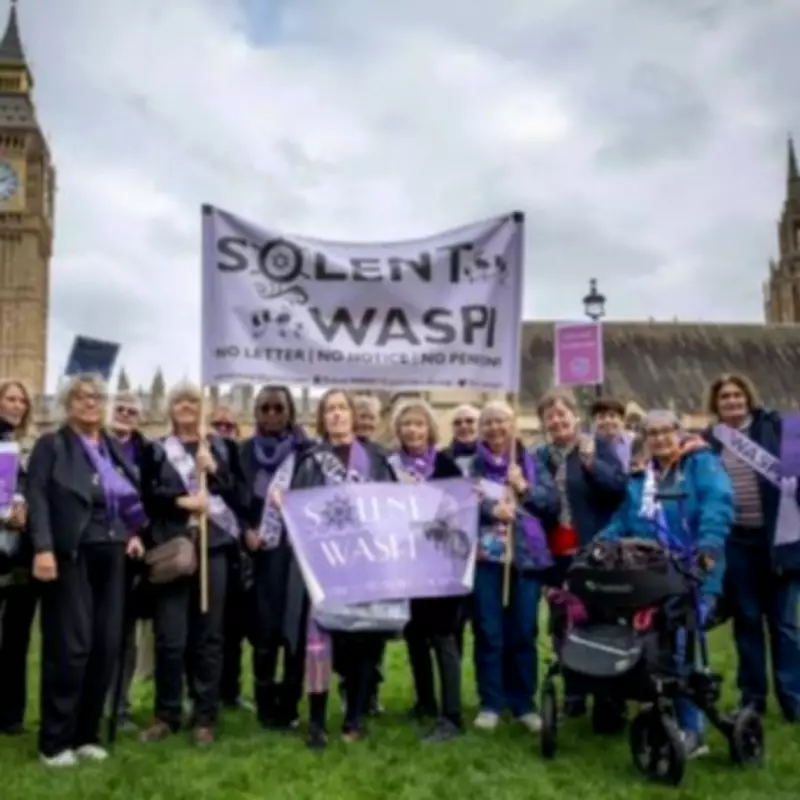
WASPI campaigners are preparing a formal legal challenge against the Labour Party government over the Department for Work and Pensions (DWP) denying them £2,950 payouts. This new twist in the long-running battle sees campaigners threatening to take their case to the High Court if their demands are not met.
Legal Action Looms as Government Stands Firm
WASPI has announced that lawyers are set to raise "legal errors" with the Government and will give its legal team 14 days to respond. Campaigners argue the Government based its decision on the awareness of state pension age changes on a "narrow set of data," which they claim misrepresents the full impact on affected women.
Angela Madden, WASPI chairwoman, stated: "Women affected by the Government’s failures have waited long enough. If ministers will not listen to the independent ombudsman, their own MPs and millions of people across the country, we will make them listen in court."

Background of the Compensation Dispute
As many as 3.6 million women born in the 1950s are said to have lost out because of government failings in the way changes to the state pension age were implemented. This prompted the launch of the WASPI campaign in 2015. The Parliamentary and Health Service Ombudsman (PHSO) ruled in March 2024 that those affected should be compensated, adding weight to the campaigners' demands.
However, Labour sparked a backlash last year when they announced they were denying compensation to any of the women in this category. Before Christmas, Work and Pensions Secretary Pat McFadden confirmed that after reviewing the evidence, the government had come to the same conclusion as in December 2024, and none of those affected would receive a payout.
Government Response and Future Implications
A spokesperson for the Department for Work and Pensions (DWP) said: "The Secretary of State set out the Government’s position in his oral statement to Parliament, including acceptance of maladministration and apology to the women affected. Our focus now is on delivering an action plan to implement lessons learned in how DWP communicates state pension matters going forward."
Despite this apology, campaigners remain unsatisfied, insisting that financial compensation is necessary to address the injustices faced. The potential High Court battle could set a significant precedent for how similar pension disputes are handled in the future, affecting not only the WASPI women but also broader pension policy discussions.
The legal challenge represents a critical juncture in the campaign, with millions of women across the UK watching closely as the dispute enters a new phase of confrontation with the government.