Birmingham's refuse collectors have vowed to continue their industrial action as a bitter dispute with the city council reaches a significant and unwelcome milestone. The bins strike, which began on January 6, 2025, has now entered its second year, with no resolution in sight.
A Year of Turbulence and Uncollected Waste
The strike was triggered by a disagreement between the Labour-run Birmingham City Council and the Unite union over the proposed removal of the Waste Recycling and Collection Officer role. The past twelve months have been marked by significant disruption across the city, including mounting piles of rubbish, multiple protests, and angry confrontations during council meetings.
Hopes for a negotiated settlement appeared to fade last summer when the council declared it had "reached the absolute limit" of what it could offer. The industrial action has now persisted into January 2026, with Unite prepared to continue the strike beyond the local elections scheduled for May this year.

Workers' Resolve and Council's Stance
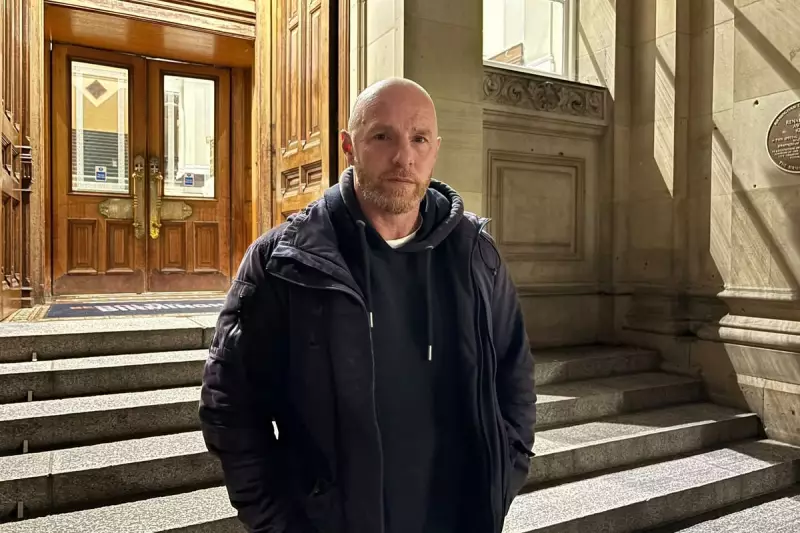
Speaking after a council finance meeting, refuse collector and Unite member Matthew Reid expressed the workers' frustration and determination. "We're absolutely determined to just carry on," he stated. "The way we've been treated is disgusting."
Mr Reid addressed the people of Birmingham directly, saying he was "embarrassed that a Labour council can't negotiate with a trade union" to end a dispute that he believes should have been resolved in July 2025. He criticised the council for pulling out of negotiations, leading to six months of "pain, distress, rats and fly-tipping" for residents.
In response, Birmingham Council's Managing Director, Joanne Roney, stated that while negotiations had been civil, the council faced major hurdles. She emphasised that any settlement "cannot worsen the equal pay implications for the council," a long-standing financial issue. Ms Roney insisted that two offers had been made and rejected, but that "doors remain open" if Unite wished to make a new proposal.
An Intractable Dispute with No Easy End
The council's leadership, including leader John Cotton, has argued that Unite rejected a succession of fair offers. Mr Cotton stated the council would not concede to demands that would "reopen all of the challenges that we have faced over equal pay."
Government-appointed commissioners overseeing the council's finances have supported the local authority's approach. In their latest report, they described the council's move to offer alternative arrangements to the workforce as the "only viable option," noting that compulsory redundancy proceedings had begun in three cases.
As the strike enters its second year, the chasm between the two sides appears as wide as ever. With union members steadfast in their resolve and the council constrained by equal pay liabilities and financial oversight, Birmingham residents face the prospect of continued disruption to their waste and recycling services for the foreseeable future.