Birmingham Residents Voice Frustrations One Year After Bin Strike Commenced
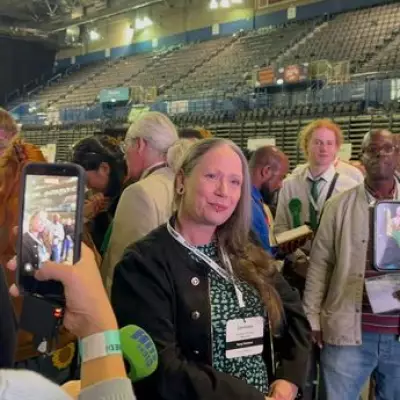
It has been exactly twelve months since Birmingham's refuse collectors initiated a comprehensive strike action, and even longer since many residents have had their recycling bins emptied. With this milestone in mind, we ventured across the city to pose one straightforward inquiry: What is your direct message to both the city council and the trade unions involved?
A Unified Call for Action Emerges
The responses from Brummies were diverse, yet a common thread connected them all—a powerful sentiment that it is now time to resolve this prolonged conflict. Residents expressed weariness and a strong desire for normal service to resume.
Laura stated emphatically: "We have transformed into a national laughing stock. Every person I encounter asks me 'how are the rats faring?' This situation requires resolution, one way or another."

Tom added his perspective: "Cease the stubbornness. I do not believe it is exclusively one side refusing to negotiate, but please sort it out—it has dragged on far too long."
The Strike's Impact and Broader Context
This industrial action has become one of the most disruptive the city has witnessed in recent years. Originating as a dispute over pay structures, working conditions, and job security, it rapidly expanded into a wider conversation about public service delivery, local government financial stability, and the challenges confronting essential frontline workers.
The strike unfolds during an exceptionally complex period for Birmingham City Council's finances, including severe budgetary constraints. Refuse collection, a service often overlooked when functioning smoothly, has abruptly become a potent symbol of how fragile local government services can become when resources are critically stretched.
Mixed Public Sentiment Throughout the Dispute
Public opinion regarding the strike has remained divided throughout the lengthy dispute. Some residents have voiced strong solidarity with the workers' cause, viewing the strike as an integral part of a larger struggle concerning labour rights and public sector austerity measures.
Conversely, other citizens, grappling with the daily reality of uncollected waste accumulating in their neighbourhoods, feel trapped in a conflict over which they have minimal influence. Tiga, a parent of a disabled child, expressed serious concerns: "You are witnessing numerous individuals burning materials in their back gardens during nighttime hours. I consider this practice to be genuinely hazardous."
James made a simple, heartfelt plea: "Just please collect my bins. It is becoming quite problematic to wheel them out weekly only to find them still overflowing with trash the following morning."
The strike continues to highlight deep-seated issues within municipal service provision and labour relations, with residents overwhelmingly urging all parties to find a sustainable solution without further delay.