Royal Mail Announces Another Stamp Price Hike for April
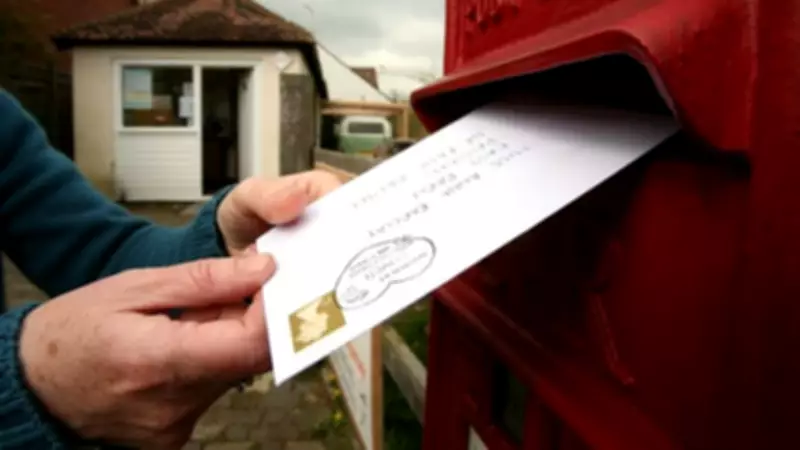
Royal Mail has confirmed that the cost of sending letters will increase once again next month, with new stamp prices taking effect from April 7. This latest rise continues a trend of escalating postal costs that has drawn criticism from consumer advocates and regulators alike.
Details of the Price Increases
From the specified date, the price of a first-class stamp will jump by 10p to reach £1.80. Meanwhile, a second-class stamp will see a 4p increase, bringing its cost to 91p. These adjustments reflect Royal Mail's ongoing efforts to manage the financial challenges of delivering mail across the United Kingdom.
For regular letter senders looking to avoid the higher prices, there is a potential workaround. Customers can purchase stamps in advance before the April 7 deadline, provided they buy standard stamps that display only the postage class rather than a printed monetary value. This strategy allows consumers to lock in current rates temporarily.

Historical Context and Rising Costs
The latest hike underscores a dramatic surge in stamp prices over the past decade. In 2016, a first-class stamp cost just 64p, meaning the price will have risen by approximately 181% in ten years. This steep increase highlights the shifting economics of postal services in the digital age.
Richard Travers, Royal Mail's managing director of letters, explained the rationale behind the price changes. "We always consider price changes very carefully, balancing affordability with the rising cost of delivering mail," he stated. Travers noted that on average, UK adults now spend only £6.50 annually on stamps, with letter volumes plummeting by 70% compared to twenty years ago.
However, the number of addresses Royal Mail must deliver to has grown significantly, increasing by four million to reach 32 million addresses across the country. This expansion in delivery points, coupled with declining letter numbers, creates ongoing financial pressure for the postal service.
Performance Concerns and Consumer Backlash
The price increase arrives amid growing criticism of Royal Mail's delivery performance. The company last met its annual target for timely first-class post deliveries in the 2019-20 period, and regulators have been closely monitoring its operations in recent years. Consumer group Citizens Advice has warned that higher costs could exacerbate customer frustration over unreliable services.
Anne Pardoe, head of policy at Citizens Advice, voiced strong concerns. "More than half-a-decade has gone by since the company met its delivery targets, and people still face a gamble, with many uncertain if their important documents or letters like medical appointments will arrive on time," she said. Pardoe emphasized that price hikes should be tied to improved performance standards.
"Things only risk getting worse when cuts to delivery days and reduced performance targets come into full effect. Against this backdrop, Ofcom simply cannot wave through these increases any longer," she added. "Higher prices must come with higher standards - increases should be tied to Royal Mail's performance on the doorstep."
Recent Operational Changes and Ownership Shift
These price adjustments follow Ofcom's approval of reforms to Royal Mail's delivery service last year. Under the new framework, the company is no longer obligated to deliver second-class post on Saturdays. Additionally, second-class letters will only be delivered on alternate weekdays instead of six days per week.
These changes are currently being piloted at approximately 35 delivery offices nationwide. Despite the reduced frequency, Royal Mail must still meet a target for second-class letters to arrive within three working days. The operational shake-up aims to streamline services while managing costs.
Royal Mail also underwent a significant ownership transition last year. In June, the company was acquired for £3.6 billion by Czech billionaire Daniel Kretinsky's EP Group. This change in corporate control has introduced new dynamics into the postal service's strategic direction and financial management.

The combination of rising stamp prices, delivery performance issues, and structural reforms places Royal Mail at a critical juncture. As consumers adapt to higher costs, the pressure mounts for the postal service to demonstrate tangible improvements in reliability and efficiency across its operations.