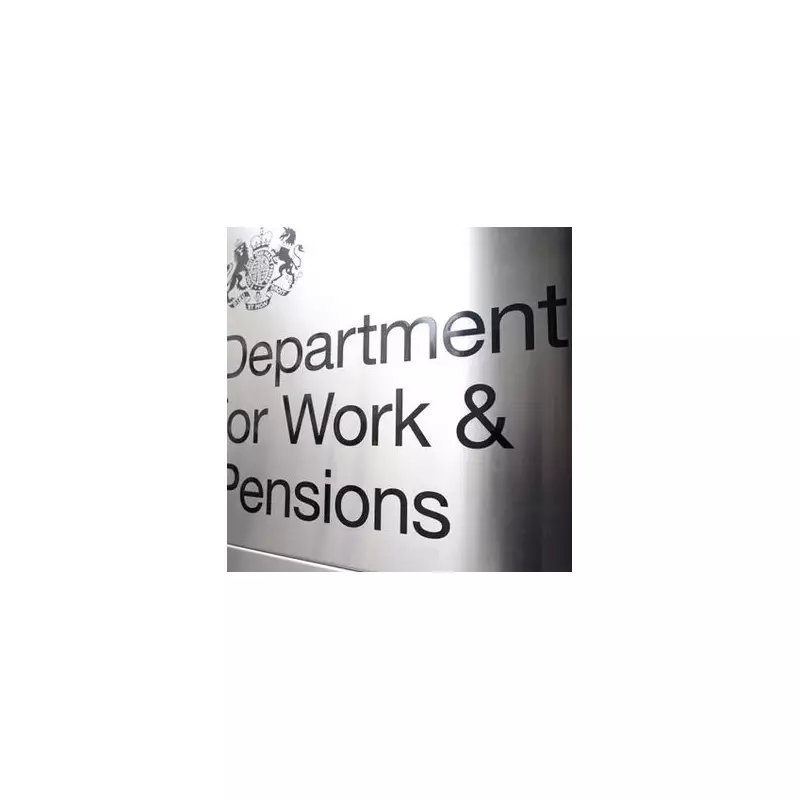
The Department for Work and Pensions (DWP) is set to gain sweeping new authority to scrutinise the bank accounts of benefit claimants, under powers granted by the Public Authorities (Fraud, Error and Recovery) Act 2025. The legislation, which received Royal Assent in December, will be rolled out across the UK throughout 2026.
What the New Eligibility Verification Measure Means
At the heart of the new regime is the Eligibility Verification Measure (EVM). This system compels banks and building societies to actively monitor accounts that receive payments for specific state benefits. Financial institutions must cross-check these accounts against a set of official "eligibility indicators".
These indicators include factors like whether a claimant's capital exceeds permitted limits or if they have spent too much time outside the country. When a bank's automated systems flag a potential mismatch, they are legally required to provide a defined set of information to the DWP.

The Six Specific Details Banks Must Provide
Contrary to some public concern, the DWP will not have direct, live access to anyone's bank account. Instead, upon a flag being raised, the bank must supply only the following six pieces of data:
- The account's sort code and account number.
- The full name of the account holder.
- The account holder's date of birth.
- Details of any joint account holder, if applicable.
- Evidence demonstrating how the account triggered the eligibility flag.
The DWP has been explicit: banks must not share full transaction histories, spending patterns, or other private financial details. Institutions face penalties for oversharing data beyond this strict list.
Targeted Benefits and Safeguards
Initially, the scheme will focus on three means-tested benefits where overpayments are currently highest: Universal Credit, Pension Credit, and Employment and Support Allowance (ESA).
In a significant clarification, the government has confirmed that the State Pension is explicitly excluded from these new powers. Furthermore, it cannot be added to the list later through secondary legislation.
The department stresses that a human decision-maker will always review any case flagged by the automated system before any action is taken. "Decisions affecting benefit awards or eligibility will not be left solely to algorithms or artificial intelligence," a spokesperson confirmed.
Concerns and Rollout Timeline
The independent Regulatory Policy Committee has warned that the government may have underestimated the impact on society's most vulnerable. They fear that reclaiming overpayments, even those caused by administrative error, could inflict severe financial hardship.
The DWP plans a cautious "test and learn" approach during the 2026 rollout. Once fully operational, the system is projected to identify between 50,000 and 100,000 overpayments every year.