In a significant policy reversal, Chancellor Rachel Reeves has officially abandoned plans to raise income tax, a move that spares all UK households from a potential financial hit. This decision represents a major shift from the Labour Party's initial approach to the Autumn Budget.
Major Budget U-Turn Confirmed
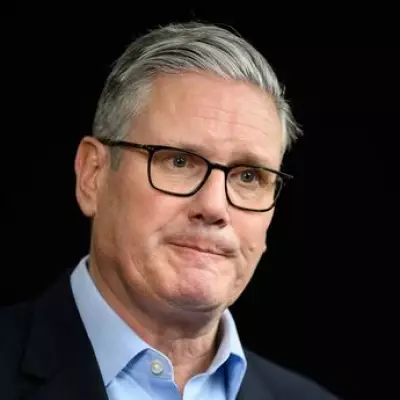
The dramatic change in fiscal policy was confirmed when Ms Reeves reportedly "ripped up" the main measures that would have broken the party's manifesto pledge on income tax. According to sources speaking to the Guardian, both the Chancellor and Prime Minister Keir Starmer jointly decided to ditch the planned tax increase.
The reversal was formally communicated to the Office for Budget Responsibility on Wednesday, as first reported by the Financial Times. This procedural step makes the policy change official and prevents the implementation of what would have been a significant tax rise for British taxpayers.

Stealth Tax Alternatives Considered
While the direct income tax increase has been scrapped, the Financial Times suggests that Reeves may now examine tax thresholds as an alternative revenue-raising measure. This approach could effectively function as an income tax rise by stealth, as freezing thresholds while inflation rises would pull more people into higher tax brackets.
The Chancellor recently defended her need to make difficult decisions, stating: "As chancellor, I have to face the world as it is, not the world that I want it to be." This comment, made just ten days before the U-turn, highlights the challenging economic landscape facing the government.
Political Turmoil Amid Budget Decisions
The tax policy reversal coincided with a day of significant political drama for the Labour government. Prime Minister Keir Starmer attempted to address concerns about internal party tensions, specifically regarding speculation that allies feared Health Secretary Wes Streeting could launch a leadership coup.
Starmer insisted he had received assurances that the briefings "didn't come from Downing Street" but vowed to "absolutely deal with anybody responsible for briefing against ministers." The timing of these internal conflicts alongside major budget decisions has raised questions about government stability.
The internal tensions were further highlighted by comments from Labour MPs and sources. One MP told the Guardian that Starmer had made Streeting "a martyr" by not taking stronger action, while another source suggested that "the drift in direction is the real government killer, not briefings."
This combination of major fiscal policy changes and internal party conflicts marks a challenging period for the Labour government as it navigates its first Autumn Budget while maintaining party unity and public confidence.