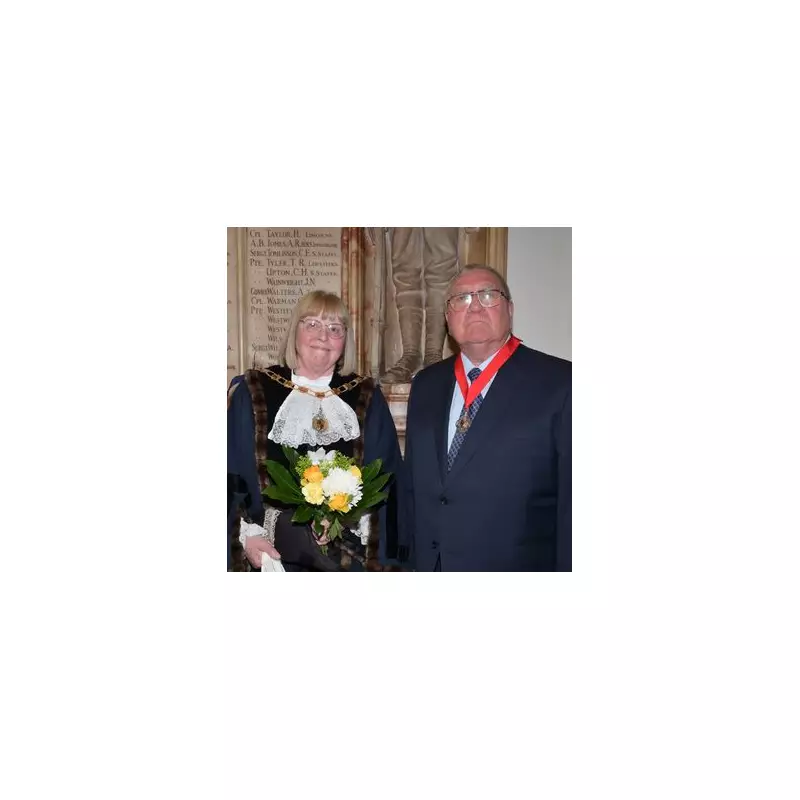
Two senior Walsall councillors have dramatically resigned from the Labour party, citing a bitter and long-running dispute over the control of a £20 million government funding pot destined for the town of Darlaston.
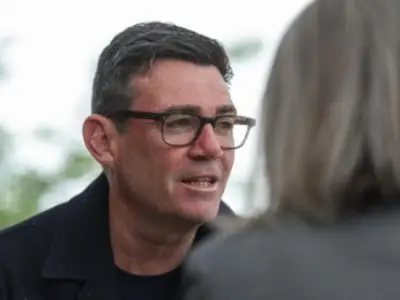
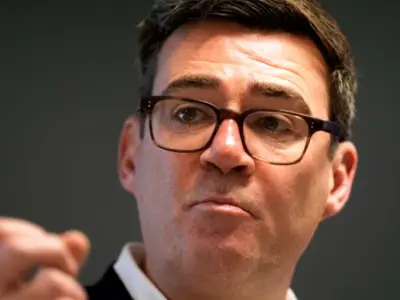
Councillors Paul and Chris Bott, a husband and wife team who both represent the Darlaston South ward, announced their departure, stating the people of Darlaston have been 'let down' by the Labour leadership.
The Heart of the £20 Million Dispute
The conflict stems from Darlaston's selection in 2023 as one of 55 towns across the UK to receive a £20 million endowment as part of the government's Plan for Neighbourhoods programme. A central requirement of the scheme was the formation of a board to decide how the substantial sum would be spent.

However, the Botts have been locked in a months-long battle over the composition of this decision-making body. They have consistently argued that the board must be community-led, asserting that local residents have instead been 'sidelined' in the process.
Out of the 20 members appointed to the board, only three are Darlaston residents, with a further two representing local businesses. The remaining seats are occupied by officers from education, housing, health, West Midlands Police, Walsall Council, and political leaders.
Broken Promises and Allegations of Exclusion
The councillors expressed profound disappointment with Labour MP for Wolverhampton South East, Pat McFadden, and the leader of the Walsall Labour group, Councillor Matt Ward. They claim these figures initially supported their push for community control but ultimately failed to deliver.
This sentiment is bolstered by their own campaign literature. A Labour leaflet distributed during the summer, signed by the Botts and Councillor Ward, explicitly stated: "The board overseeing this investment will be community-led." Similarly, in September, Mr McFadden told the Local Democracy Reporting Service that decisions "should be community-led."
Councillor Paul Bott highlighted a significant lack of diversity, noting there are no Muslim, Sikh, or Hindu representatives on the board. He also pointed out the exclusion of residents from specific neighbourhoods, stating, "There's not one resident from Rough Hay, Moxley or Kings Hill. Rough Hay is one of the most deprived areas in the country."
Official Responses and Future Plans
In defence of the board's structure, Chairman Manjit Jhooty emphasised that advisory groups have been established to ensure broad community input. He stated these groups are open to everyone and that chairs are actively encouraging involvement from all parts of Darlaston, adding they have received expressions of interest from numerous residents.
Councillor Matt Ward called the Botts' decision 'regrettable' but maintained that the board is community-led, with around three-quarters of its members having direct links to Darlaston. He stressed that the primary focus must be on securing the transformative investment for the town.
The Botts have confirmed they have no plans to join another political party and will stand as independents in the May 2026 local elections. They vowed to continue their fight for a truly community-controlled allocation of the £20 million fund.