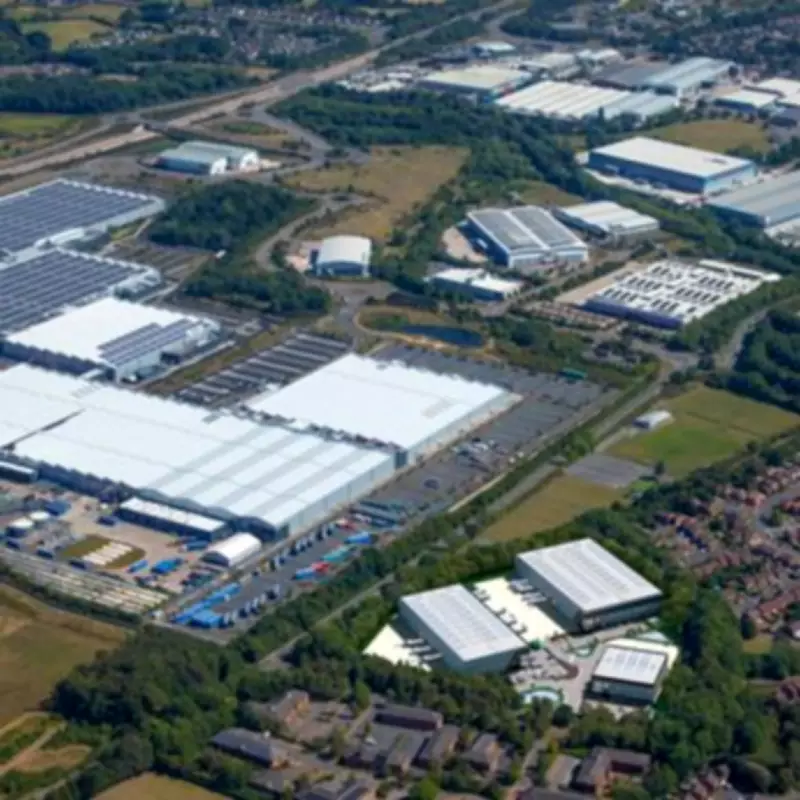
£36 Million Redevelopment Plan for Former Lloyds Bank Offices in Wolverhampton
A significant redevelopment proposal has been unveiled for the former Lloyds Bank offices in Wolverhampton, with plans to demolish the existing structure and replace it with three large commercial units. The £36 million project aims to transform the Pendeford Business Park site, which has been vacant since the bank relocated at the end of 2025.
Details of the Proposed Development
The four-storey office building, located off Wobaston Road in Pendeford, Wolverhampton, would be razed to make way for three new commercial units and office spaces. The 10-acre site, previously occupied by Lloyds Banking Group for 30 years since its construction in 1995, is set to provide units ranging from 21,000 to 80,000 square feet in floorspace.
Developer Erdgard, in partnership with Oldbury-based investors the Richardson family, is spearheading the initiative. If approved by the City of Wolverhampton Council, the new units are expected to be available by summer 2027.

Background and Relocation
Lloyds Banking Group vacated the Pendeford office as part of a strategic move to Birmingham, relocating staff to new offices on Colmore Row last year. This departure marks a shift in the bank's operational footprint in the region.
Additionally, Lloyds left its historic 148-year-old building in Wolverhampton city centre last year, moving to the nearby Mander Centre. Plans have been submitted to convert the grade II listed building's former banking hall into a cafe and 20 new flats.
Planning Application Insights
The planning application highlights the project's focus on sustainability and efficiency. It states, "The resulting level of development represents an efficient and sustainable use of the site. The layout has been carefully optimised to maximise floor space while respecting the physical constraints of the land, including site levels, drainage strategies, and the retention of existing mature landscaping."
Further details from the application include:
- Buildings designed to meet current institutional standards for robustness and market appeal.
- First-floor offices within each unit to allow for compact footprints, maximising yard space and vehicular circulation.
- Flexibility in design to cater to a wide demographic of end-users and tenants, supporting long-term economic viability.
The scheme aims to balance building footprints with necessary infrastructure, ensuring the site's commercial potential is fully realised without overdevelopment.