Plans for a major new housing development in a Solihull village have been decisively thrown out by local councillors, with fears over increased flooding proving to be the decisive factor.
Committee Votes Down Green Belt Proposal
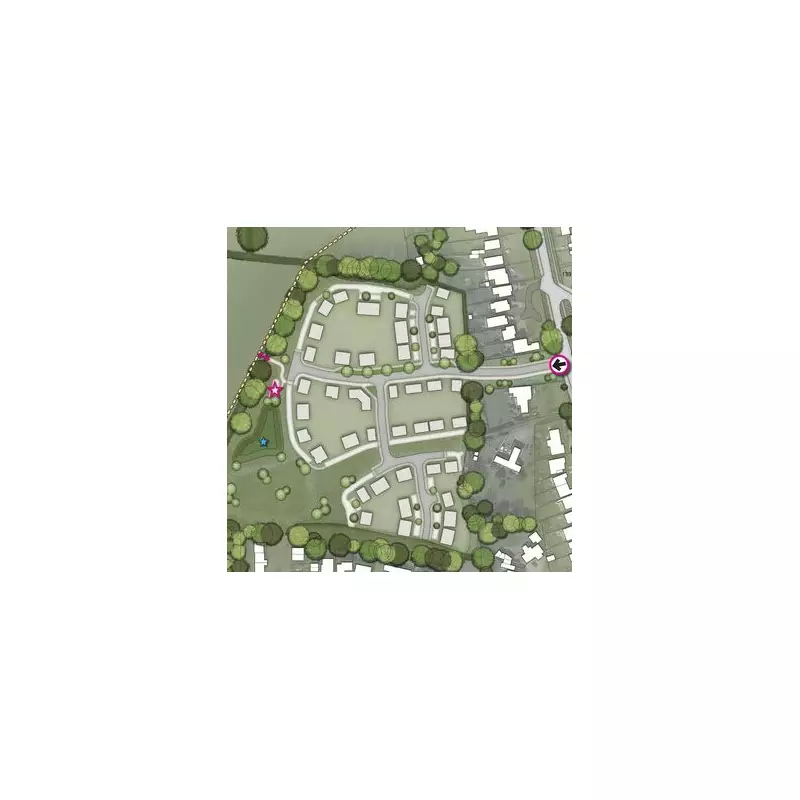
Solihull Council's planning committee rejected an outline application from the Rosconn Group to build 80 dwellings on a 2.25-hectare green belt site off Stratford Road in Hockley Heath. The decision, made at a meeting on December 10, followed significant local opposition and a heated debate centred on drainage and sustainability.
The proposed scheme also involved demolishing two existing properties—numbers 2210 and 2212 Stratford Road—to create a new access point to the estate. The committee received 85 letters of objection during the public consultation, including a submission from Meriden and Solihull East MP, Saqib Bhatti.

Residents Voice 'Tsunami of Development' Concerns
During the public speaking section, resident representative Stuart Swinton told councillors that locals were "deeply concerned about the tsunami of development proposals in the village." He highlighted that there were seven active planning applications for Hockley Heath totalling approximately 523 dwellings, which he claimed would increase the size of the village by 65 per cent.
Mr Swinton underscored long-standing flooding issues, presenting a slide with photographs of significant flooding in the area from September. This visual evidence strongly influenced the subsequent discussion.
Councillor Max McLoughlin argued the location was "not sustainable" and warned the development would exacerbate flooding to the east. Councillor Sally Tomlinson pointed to a lack of local infrastructure, stating, "Hockley Heath residents currently don't have a pharmacy or a doctor's surgery and the single-class primary school is already oversubscribed." She described the application as "premature" and an attempt to "steal a march" on any organised, infrastructure-led plan for the area.
Drainage Debate and Computer Modelling Questioned
Despite the concerns, planning agent Donna Savage argued the scheme was "policy compliant" and stated there were "no technical objections including highways or drainage." This position was seemingly supported by the lack of a formal objection from the water authority, Severn Trent.
However, councillors remained sceptical. Councillor Heather Delaney expressed difficulty understanding why Severn Trent had not objected, given admitted issues on Stratford Road. Committee chairman Councillor Bob Grinsell pushed for a condition requiring detailed drainage plans to be approved before any development could start.
The debate took a notable turn when Oliver Monk, the council's senior engineer for flood risk management, assured members that "there will be no increase in flood risk downstream in Stratford Road from this development." When Chairman Grinsell asked if this assessment was based purely on computer modelling, Mr Monk confirmed it was. The chairman retorted, "Then I think you should get out more possibly and talk to the ward councillors concerned frankly as not everything is on the computer, as evidence provided to us shows."
Following an adjournment for legal advice, the committee formally refused the application by a vote of eight against with one abstention. The official reason for refusal was that the perceived flood risk meant the scheme failed to demonstrate the "very special circumstances" required to justify building on protected green belt land.