Birmingham Greenlights HS2's Curzon Street Station Restoration as Government Urged to Accelerate Railway Project
Birmingham City Council's planning committee has granted approval to HS2's comprehensive restoration plans for the historic Old Curzon Street Station, while simultaneously issuing a clear message to the government to expedite progress on the controversial high-speed railway project.
Historic Building Receives Essential Protection
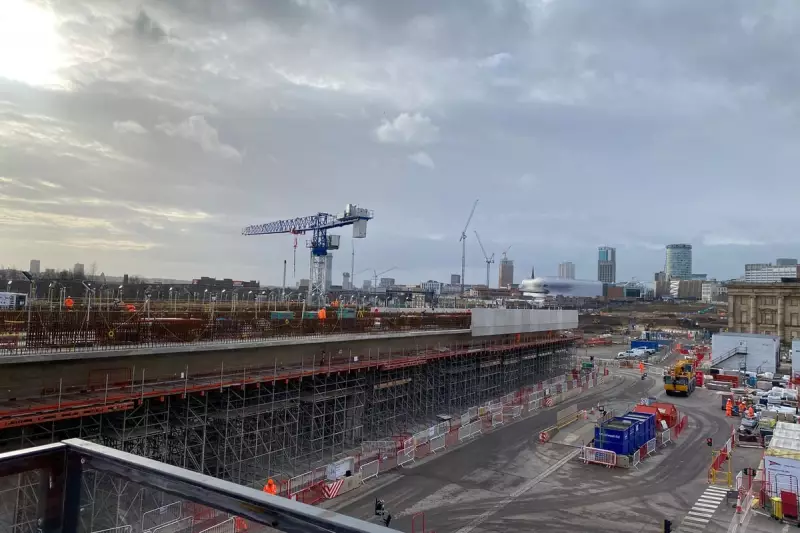
The committee today considered detailed proposals from HS2 Ltd for extensive conservation works at the Grade I listed building, which stands adjacent to the new HS2 city centre terminus currently under construction. The approved plans encompass:
- External remedial repairs to address structural concerns
- Complete roof renewal to prevent further deterioration
- Various internal works to enhance thermal efficiency
- Sustainability improvements throughout the building
Opened in 1838 as the first direct railway link between Birmingham and London, Old Curzon Street Station represents one of the world's oldest surviving examples of monumental railway architecture. The restoration initiative aims specifically to safeguard this significant structure rather than prepare it for immediate re-occupation.

Councillors Voice Support with Conditions
Several Birmingham councillors expressed strong support for the conservation project during today's meeting. Councillor Philip Davis described the building as "really significant" and welcomed the dedicated resources from HS2. Councillor Gareth Moore noted it represented "a refreshing change to hear about a listed building having investment."
However, Planning Committee Chair Councillor Lee Marsham delivered a pointed message to government officials before approving the plans, stating: "What I will say is that I think the government needs to get on with HS2 at the quickest pace it can, at the best value for taxpayers." He further referenced emerging discussions about potential new rail connections between Birmingham and Manchester.
Balancing Conservation with Progress
A council report prepared for the meeting acknowledged that the proposed works might cause "some harm" to the protected structure, classifying it as "less than substantial harm." Nevertheless, the document emphasised that these interventions are essential for ensuring the building's long-term sustainability and preservation.
The report concluded that "the public benefits of conserving and restoring this landmark building significantly outweigh the limited harm identified," recognising the overarching aim of protecting this impressive architectural heritage for future generations.
This decision follows last year's approval of the revised design for the new HS2 station, which will become a key destination on the divisive high-speed line. As construction continues on the modern terminus, attention now turns to ensuring both the historic and contemporary railway infrastructure progress in tandem, with local leaders maintaining pressure for accelerated delivery of the broader HS2 project.