Birmingham City Council has been at the centre of several significant developments this week, with its planning committee making crucial decisions on everything from student accommodation and housing to active travel and a major regeneration project.
Key Planning Committee Decisions
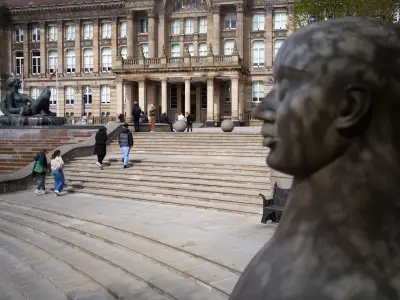
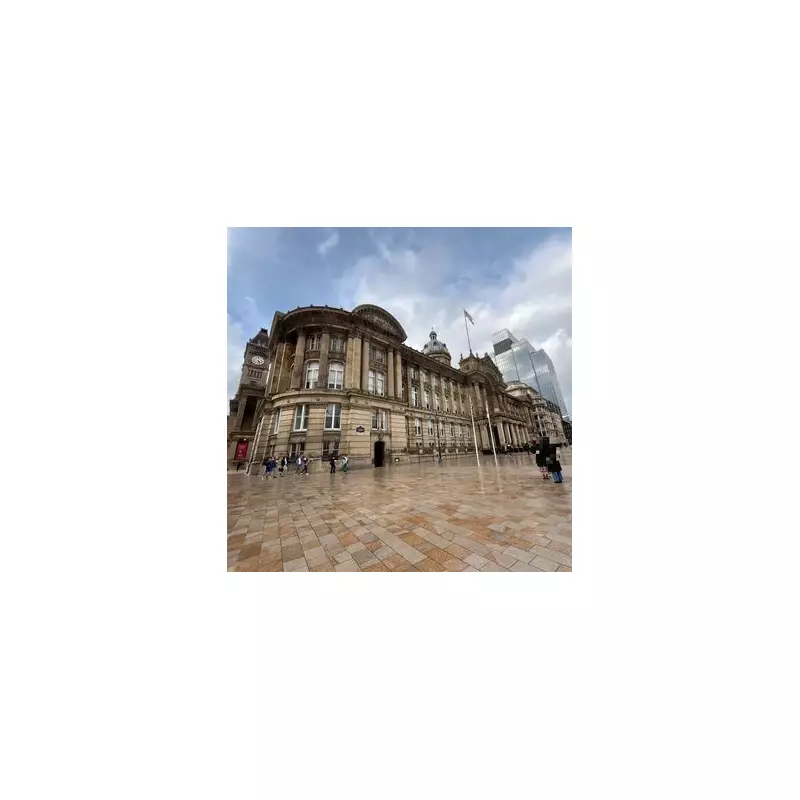
The council's planning committee was active, delivering verdicts on several prominent applications. In a notable decision, councillors refused plans for a 16-storey student accommodation block on the site of the former Golden Eagle pub in the city centre. The committee raised specific concerns about the building's height and the 'less than substantial' harm it would cause to nearby heritage assets, including the historic Town Hall. Members also questioned the need for more student housing given the current high volume in the city.
In a separate case, a decision on converting a Cotteridge shop into a six-bedroom House in Multiple Occupation (HMO) was deferred. This followed objections from local residents and an MP regarding the concentration of such properties in the area. While acknowledging the city's housing needs, the committee delayed the vote to seek more detailed information on the proposed landlord's management plan.

However, it wasn't all refusals and delays. The committee gave the green light to plans for 55 new residential flats and commercial space on the site of the former Rosie's Nightclub in Sutton Coldfield town centre. Councillors welcomed the scheme, believing it will help regenerate the area and kickstart further investment.
Transport, Housing and City Development
Beyond individual planning applications, the council is pushing forward with broader city-wide initiatives. A major step was taken to make a temporary cycle route from the city centre to the A457 Dudley Road a permanent fixture. The authority has launched a public consultation on the updated designs as part of its wider ambition to create a comprehensive city-wide cycle network, aiming to reduce carbon emissions and prioritise active travel.
The debate over housing targets also intensified, with Bradley Thomas, the MP for Bromsgrove, calling on the government to reverse the reduction in Birmingham's housing target. He argued that Birmingham, with its 'hectares of brownfield land', should take its 'fair share' of new homes, rather than dramatically increasing targets in surrounding areas like Bromsgrove.
Meanwhile, the monumental £1.9 billion Birmingham Smithfield regeneration scheme has entered an 'important new phase'. Archaeological works have now begun at the former wholesale market site to document the area's medieval past before physical redevelopment starts next year. The project promises to transform the site into a new destination featuring homes, retail, and public spaces.
Culture and Major Events
In cultural news, the council is exploring potential compromises for buskers following the introduction of a Public Space Protection Order (PSPO) this summer, which heavily restricted street performances. The authority is now investigating the feasibility of an independently run 'consent/permitting scheme' for busking in the city centre, though a final solution is yet to be found.
On a larger stage, Birmingham has been officially confirmed as one of the proposed host cities in the UK's bid to stage the Women's Football World Cup in 2035. The city is putting forward world-class venues, including Villa Park and Birmingham City's proposed new stadium, The Powerhouse. A successful bid is projected to deliver a socio-economic benefit of £65 million for the city.