Retired Couple Ordered to Dismantle £4,500 Privacy Fence After Losing Appeal
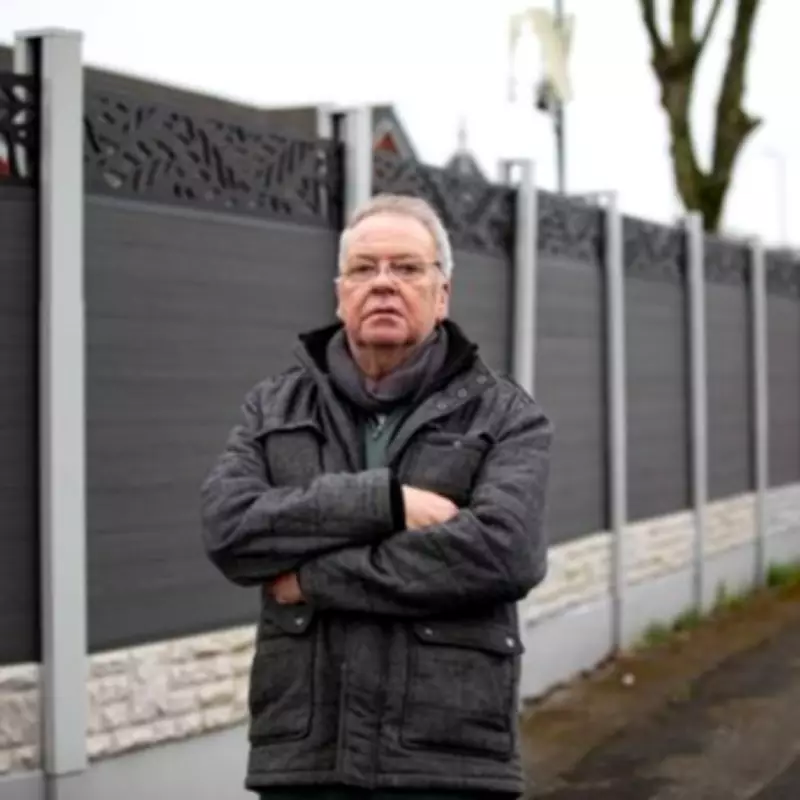
A retired couple in Bolton, Greater Manchester, have been ordered to dismantle a £4,500 privacy fence they installed after losing a planning appeal with the local council. David and Denise Hopwood, aged 67 and 66, built the seven-foot-high, 25-metre-long grey composite fence to replace an old, overgrown hedge that had become too difficult and expensive to maintain due to their age and health conditions, including arthritis.
Background of the Fence Installation
The Hopwoods constructed the fence to enhance privacy and security at their home, located on the corner of Plodder Lane and Duchy Avenue. They explained that the previous nine-foot-high hedge required annual maintenance costs of around £800, which was both financially burdensome and physically challenging for them. After removing the hedge, they even resorted to pegging blankets onto their washing line temporarily to prevent neighbours from peering into their property before erecting the fence.
David Hopwood stated, "We put it up for privacy and security, as well as it is ideal for maintenance purposes. The hedge was out of control, and we weren't able to look after it." The fence features a one-foot-tall trellis and gravel boards, which the couple said had "transformed" their life by providing a low-maintenance solution.

Planning Permission Rejection and Appeal
However, a neighbour raised concerns about the fence's height, prompting the Hopwoods to apply for retrospective planning permission. Last year, the council rejected their application, citing that the fence was incompatible with the "character and appearance of the surrounding area." The couple challenged this decision, but after a recent site inspection, the council upheld its position, dismissing their appeal.
A council document outlined five reasons for the rejection, noting that the fence's location, materials, colour, and size made it "appear a discordant and strident feature in the street scene." The inspector observed that while there is some diversity in boundary treatments along the road, properties in the area typically have open frontages with low walls, timber fencing, or railings, often complemented by established hedging.
Council's Findings and Couple's Response
The report stated that the 2.1-metre-high fence, situated at the rear edge of the pavement, is "very prominent" when travelling along Plodder Lane. Despite the decorative trellis, it was deemed to completely enclose the frontage and appear "at odds with the open frontages, low walls and hedgerows of the dwellings opposite." The inspector added that the black composite panels "starkly contrast" with the red brick of the property and adjacent lower wall.
David Hopwood expressed frustration, saying, "I feel we have been hard done by, saying it doesn't fit with the street scene. There isn't one size that fits all here. They seem to be focused on the colour and the type, but there is a right mix already on the street. The colour is our choice; I don't understand why it is an issue. There is a jet black one across the road, a number of brick ones; I feel like we have been picked on."
The council acknowledged the couple's personal circumstances, including privacy and security concerns, but found limited evidence to show that the fence's height and materials were necessary to achieve these goals. The report noted there was "insufficient evidence" to indicate that a safe and private environment could not be achieved in a manner causing less harm to the area's character.
Future Steps and Impact
The Hopwoods have not yet been served an enforcement notice, but if compelled to remove the fence, they described it as "terrible." David Hopwood said, "The appeal is the end of the line; an enforcement notice is usually the next course of action. The whole ordeal has been very stressful. Hopefully, they will just order us to change the colour and not replace it with something else."

This case highlights the challenges homeowners face when balancing personal needs with local planning regulations, particularly in areas with semi-rural characteristics like Plodder Lane, which faces open fields and countryside. The outcome underscores the importance of consulting planning authorities before making significant changes to property boundaries.