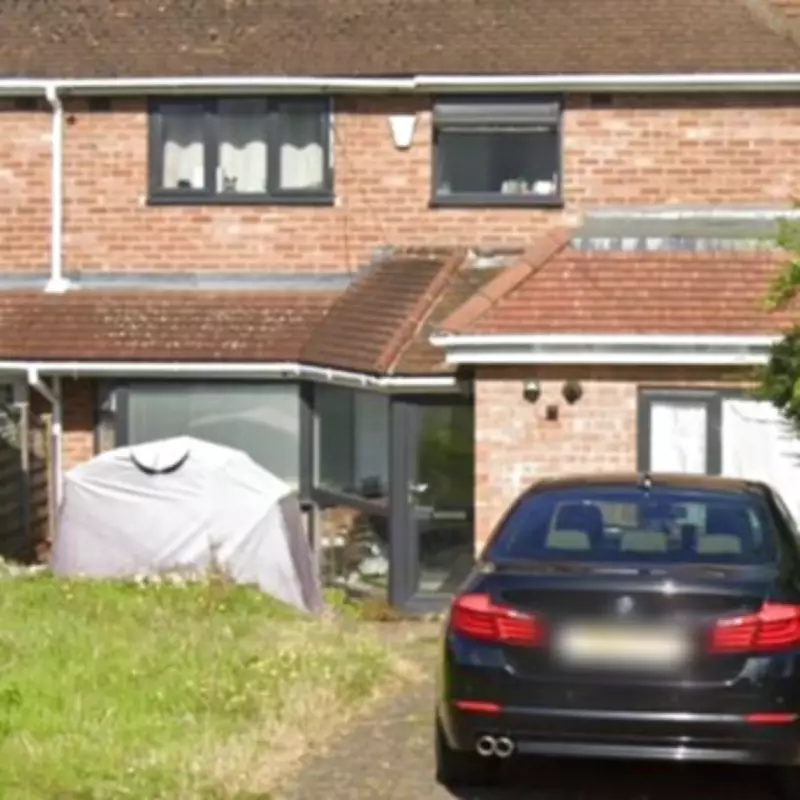
Elmdon HMO Appeal: Government Inspector to Make Final Decision on Seven-Bed Conversion
A controversial proposal to transform a house in Elmdon into a seven-bedroom House in Multiple Occupation (HMO) is now advancing to appeal, with a government planning inspector poised to deliver the ultimate verdict. This development follows Solihull Council's rejection of the application, marking the latest chapter in an ongoing planning saga for the property located on Old Lode Lane.
Background of the HMO Application
The applicant, Neolux Living Ltd, initially sought to establish a lawful HMO for six unrelated individuals at the address. Solihull Council planners granted a certificate of lawful development, confirming the legality of this use and providing protection against enforcement actions. However, just three months later in October, the company submitted a further application to expand the HMO to accommodate seven residents.
In a planning statement, Neolux Living argued that adding one person by converting a communal office into an ensuite bedroom did not constitute a material change of use. The statement emphasized that the building's status as an existing large HMO would remain unchanged, with no alteration to its outward appearance or character.

Council Refusal and Appeal Process
Last November, Mark Andrews, the council's head of planning, design and engagement services, refused to issue the certificate for the seven-bed HMO. He determined that the proposed change represented a material change of use requiring full planning permission, which had not been submitted.
Instead of pursuing a standard planning application, Neolux Living has chosen to challenge the refusal decision by taking the matter to the government's Planning Inspectorate. The appeal details are accessible through the inspectorate's website, though a date for the inquiry has yet to be confirmed.
This appeal represents a significant escalation in the dispute, shifting the decision-making authority from local planners to a national level. The outcome could set a precedent for similar HMO conversions in the area, influencing future housing and development policies.
Implications for Elmdon and Solihull
The case highlights ongoing tensions between property developers seeking to maximize housing capacity and local authorities aiming to maintain community character through planning controls. HMOs have become a focal point in many urban areas, balancing the need for affordable housing with concerns about neighborhood impacts.
Residents and stakeholders in Elmdon will be closely monitoring the inspector's decision, which could affect local housing dynamics and planning enforcement approaches. The appeal process underscores the complex interplay between local governance and national planning frameworks in addressing housing challenges.
As the Planning Inspectorate prepares to review the case, all parties await a resolution that will determine the future of the Old Lode Lane property and potentially influence similar applications across Solihull and beyond.