Plans to restore Birmingham's historic Curzon Street Station have received official approval from the city council's planning committee, though questions remain about the building's future purpose. The decision comes alongside renewed calls for the government to accelerate progress on the controversial HS2 high-speed railway project.
Historic Building Receives Restoration Green Light
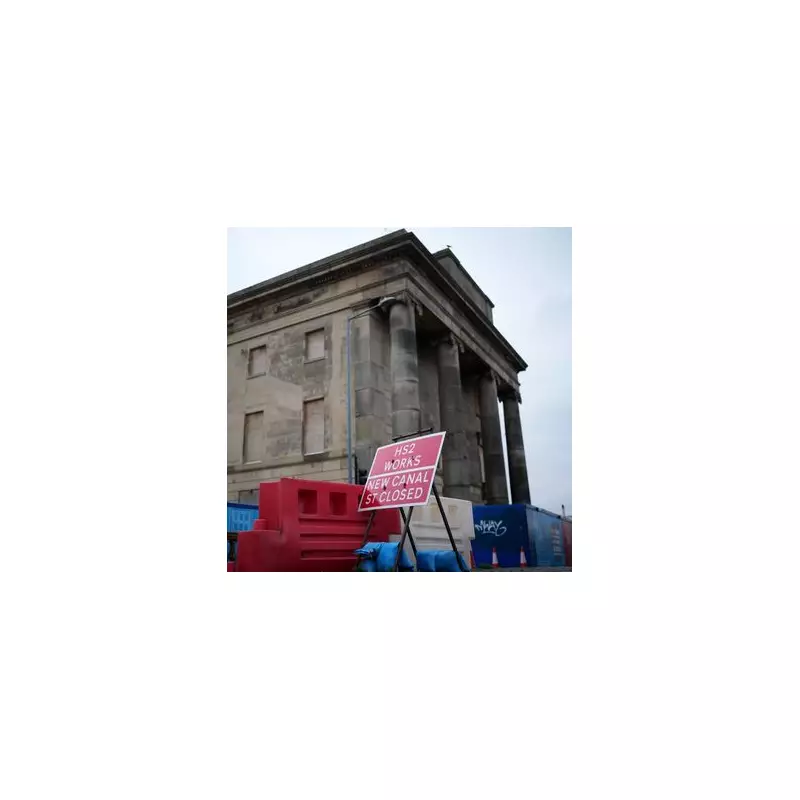
The planning committee today considered detailed proposals from HS2 Ltd for extensive conservation work at the Grade I listed building, which stands adjacent to the site of the new HS2 city centre terminus. The approved plans include comprehensive external remedial repairs, complete roof renewal, and various internal preservation works designed to protect the structure from further deterioration.
Preservation Without Immediate Reoccupation
A council report prepared for the meeting clarified that the primary objective of these works is structural safeguarding rather than immediate refurbishment for occupation. "The aim is to protect the structure, recognising the significance of the building and its interior, and to prevent further deterioration," the document stated, emphasising that the application does not currently include plans for bringing the building back into active use.

The report acknowledged that some conservation work might cause "some harm" to the historic fabric, but concluded that "these works are considered essential to safeguard the building's long-term sustainability." It further noted that "the public benefits of conserving and restoring this landmark building significantly outweigh the limited harm identified."
Councillors Welcome Investment in Heritage
Several Birmingham councillors expressed support for the restoration plans during today's meeting. Councillor Philip Davis described Old Curzon Street Station as a "really significant" building and welcomed the dedicated resources from HS2. Councillor Gareth Moore added that it represented "a refreshing change to hear about a listed building having investment."
Political Pressure on HS2 Progress
Despite approving the restoration plans, Planning Committee Chair Councillor Lee Marsham used the opportunity to issue a direct message to government ministers. "What I will say is that I think the government needs to get on with HS2 at the quickest pace it can, at the best value for taxpayers," he stated during the meeting.
Marsham also referenced emerging discussions about potential new rail connections, noting "it's also good to hear rumours that there may now be a new line going from Birmingham to Manchester." This comment reflects ongoing uncertainty about the future scope of high-speed rail infrastructure in the region.
Historical Significance of Curzon Street Station
Opened in 1838, Curzon Street Station represents a crucial piece of British railway heritage as the first direct railway line connecting Birmingham to London. Architectural historians have described it as one of the world's oldest surviving examples of monumental railway architecture, making its preservation particularly important for both local identity and national heritage.
The building's location adjacent to the new HS2 terminus creates a unique juxtaposition of historic and modern railway infrastructure, though its ultimate function within the redeveloped area remains undetermined. The approved conservation work focuses on essential structural protection while incorporating modern sustainability measures to improve thermal efficiency and environmental performance.
As restoration work prepares to begin on this iconic Birmingham landmark, the broader context of HS2 development continues to generate political debate and public discussion about transport infrastructure priorities and heritage conservation in Britain's second city.