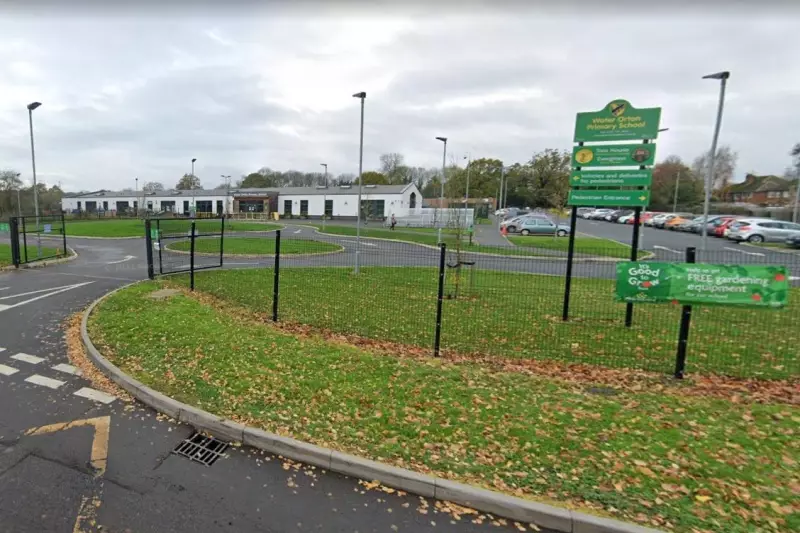
A primary school in Warwickshire, forced to relocate after 141 years to make way for the HS2 high-speed rail project, is now planning to cut its pupil capacity by a third. The decision comes after the school witnessed a significant exodus of families from the area, directly linked to the disruptive rail works.
The Impact of HS2 on Local Community
Warwickshire County Council is preparing to launch a public consultation on reducing the number of children admitted to Water Orton Primary School on Plank Lane. The proposal would see the annual intake per year group drop from 45 pupils to 30, starting in September 2027.
The council had originally decided back in April 2015 that the school would be moved at HS2's expense due to its proximity to the new line. A report authored by county council officer Nikki Daly states that "the biggest hit" to Water Orton and five other primary schools in the Coleshill planning area has been the ripple effect of the HS2 project.

Why the Reduction is Necessary
The report clearly outlines the challenges: "The works have had a significant negative impact on the village and the school has seen many families move away." Furthermore, traffic measures implemented for the construction have hampered access for families from outside the immediate area, who would typically apply for places.
Currently, the school operates with a one-and-a-half form of entry, leading to mixed-age teaching in some classes. Reducing to a single, complete class per year group is expected to allow the school to split classes by age. This change is intended to "better support the increasing level of need that the school is seeing" and improve its financial viability.
Next Steps and Future Possibilities
No physical alterations to the school building are proposed, meaning the capacity to increase admissions again in the future remains if demand recovers. Councils are legally required to hold a public consultation before implementing such changes.
The portfolio holder for education, Councillor Wayne Briggs of the Reform UK party, is due to trigger this process. The consultation will run for a six-week period, with feedback and a final decision expected to be considered by the council's cabinet in 2026.