Historic Wolverhampton School Set for Major Transformation
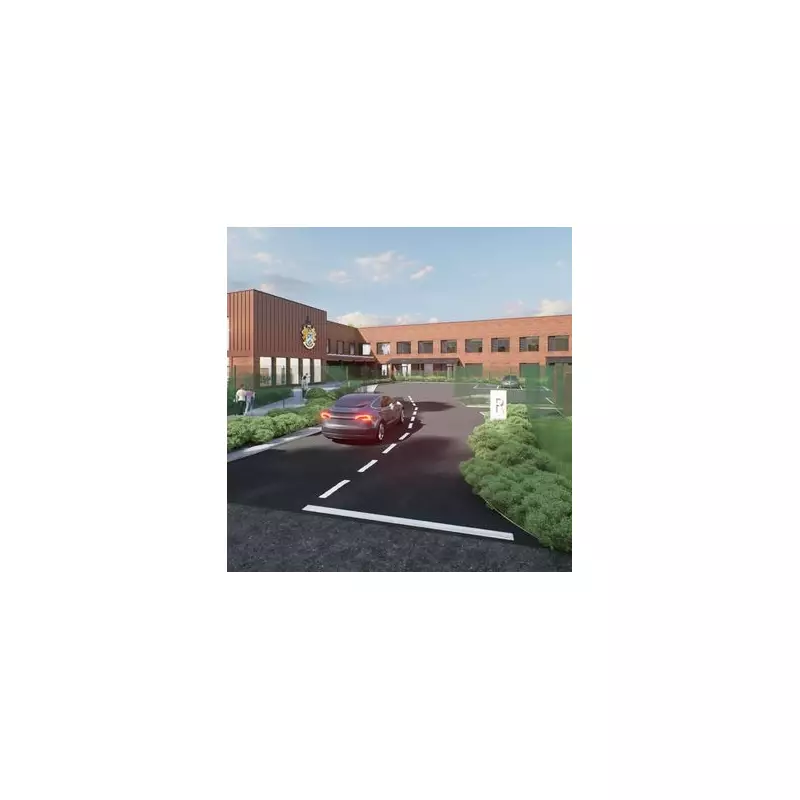
City of Wolverhampton Council has officially approved ambitious plans for a large-scale redevelopment of the historic Royal School on Penn Road. The green light signals the start of a major project that will see the grade II listed site extended and a brand new primary school built for up to 630 pupils.
What the Redevelopment Includes
The extensive work, which will be carried out in phases, encompasses several key elements. A new two-storey extension is planned for the main listed building, alongside a new sports hall and a larger design and technology block. The school's dormitories will also be refurbished.
On the opposite side of Penn Road, the former site of St Luke’s Primary School – which was demolished several years ago – will be transformed. The plans for this area include new football pitches, an all-weather cricket wicket, and an athletics track. A new 104-space car park is also part of the approved application.

The council's decision notice confirmed that construction is expected to be fully completed by September 2028, with the new sports hall being the first structure to be built.
Preserving Heritage and Enhancing Facilities
A report justifying the approval acknowledged that the proposal will result in some demolition of listed buildings, including an old plant room that will make way for new stairs to improve the building's layout. However, it emphasised that the works are “sympathetic and will not cause any adverse impacts to the Penn Road (Graiseley) Conservation Area.”
The development will lead to the loss of some trees and the existing playing field, but the proposal includes commitments for replacement trees, planting, and a new sports pitch. The application stated that the existing primary school facilities are “no longer an optimal learning experience,” with two year groups already being taught in temporary classrooms and others housed on the school's car park due to classrooms being in poor repair.
The Royal School, which scrapped its £29,000-a-year fees in 2015 to become a state school, has seen pupil numbers surge from around 530 to nearly 1,200. The all-through school currently provides for up to 1,480 pupils, including primary, secondary, and sixth form, with up to 100 boarding places.
A statement from the applicant outlined the vision: “The proposals will provide new high quality teaching, sports and recreation spaces that will be energy efficient, incorporate modern technology, and support the school’s curriculum and pupil boarding requirements.” Temporary classrooms will be used to ensure teaching continues uninterrupted throughout the multi-phase refurbishment of the secondary school.