In a significant move, Manchester City Council has unanimously rejected a major skyscraper development for the first time in years. The plans, which faced fierce criticism for lacking affordable homes and impacting residents' sunlight, were thrown out during a planning committee meeting on Thursday, 15 January 2026.
Luxury Amenities Over Affordable Homes
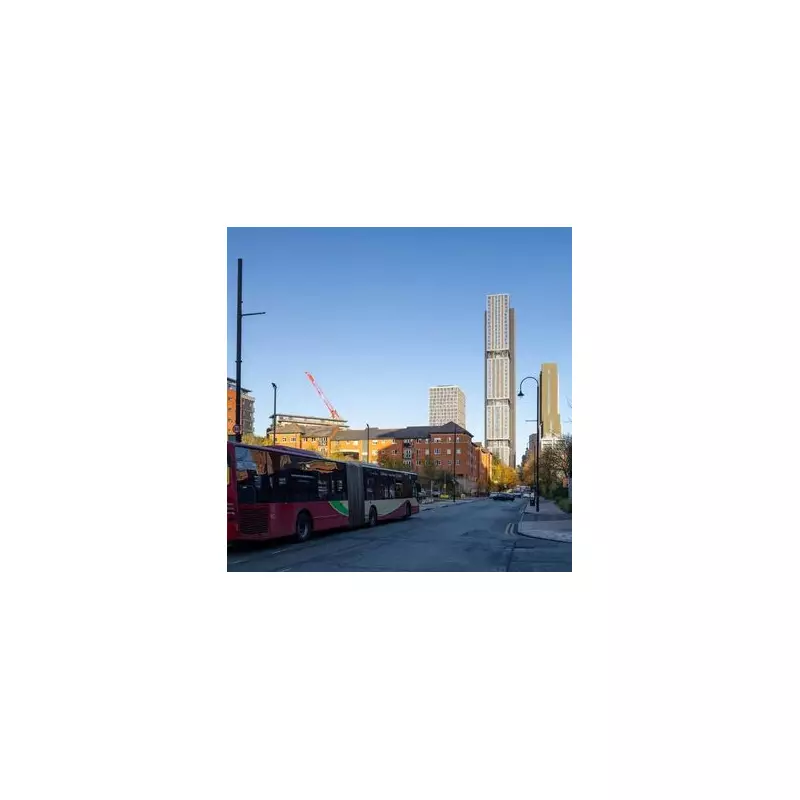
The developer, Liquid Funding Business (LFB), had proposed building two residential towers of 50 and 25 storeys on the site of the long-standing Stockton's furniture shop on Great Ancoats Street. The scheme would have delivered 750 new flats. However, councillors on the committee were scathing in their assessment, highlighting that the proposal included amenities like a spa, podcast studios, a games room, and 'fancy yoga studios' but not a single affordable housing unit.
Councillor Sam Wheeler revealed the project was forecast to make a £13 million loss, which developers argued made affordable housing unviable. This justification did not satisfy the committee. Councillor Angela Gartside told the developers, "We should not be seeing fancy yoga rooms. We should be seeing affordable housing."

Breaching Planning Rules and Creating a 'Canyon'
The rejection was not solely based on housing. Councillors found the scheme breached the council's own Strategic Regeneration Framework (SRF) for the area in three key ways, as outlined by Councillor Wheeler.
Firstly, the SRF sets an upper height limit of 45 storeys, which the 50-storey tower exceeded. Secondly, the design failed to promote integration and would create a 'canyon effect' on Great Ancoats Street, trapping illegal levels of pollution at street level. Thirdly, the lack of affordable housing directly contravened the SRF's aim of creating a socially diverse neighbourhood.
Furthermore, the impact on neighbouring properties was a critical issue. Residents of the nearby Oxygen tower argued the development would cause such substantial light loss that they would rely on artificial light for much of the day. While LFB representatives claimed light levels would be in line with city centre benchmarks, the committee sided with the existing residents.
A Failure to Engage and What Happens Next
Councillor Jon-Connor Lyons noted that the developers had failed to meet with local representatives before submitting the planning application, a move he called unprecedented in his eight years as a councillor. This lack of early engagement was seen as a missed opportunity to resolve the scheme's obvious flaws.
Despite the rejection, LFB can amend its proposal and submit a new application for the same site. The committee's decision sets a clear precedent, demanding that future major developments in Manchester must seriously address affordable housing, adhere to local planning frameworks, and properly consider their impact on the existing community.
In a separate matter during the same meeting, a long-running dispute over a marquee at the British Muslim Heritage Centre in Whalley Range was resolved. Councillors granted permission for the marquee to remain for a further 18 months, subject to conditions including acoustic testing and a new management plan, acknowledging its vital role in funding the centre's restoration.