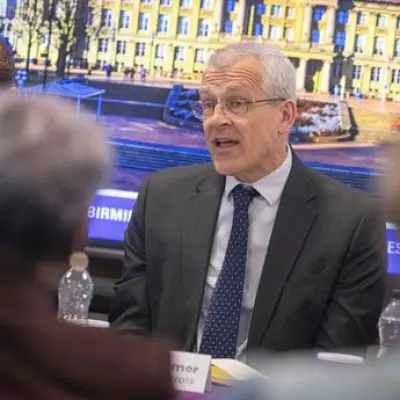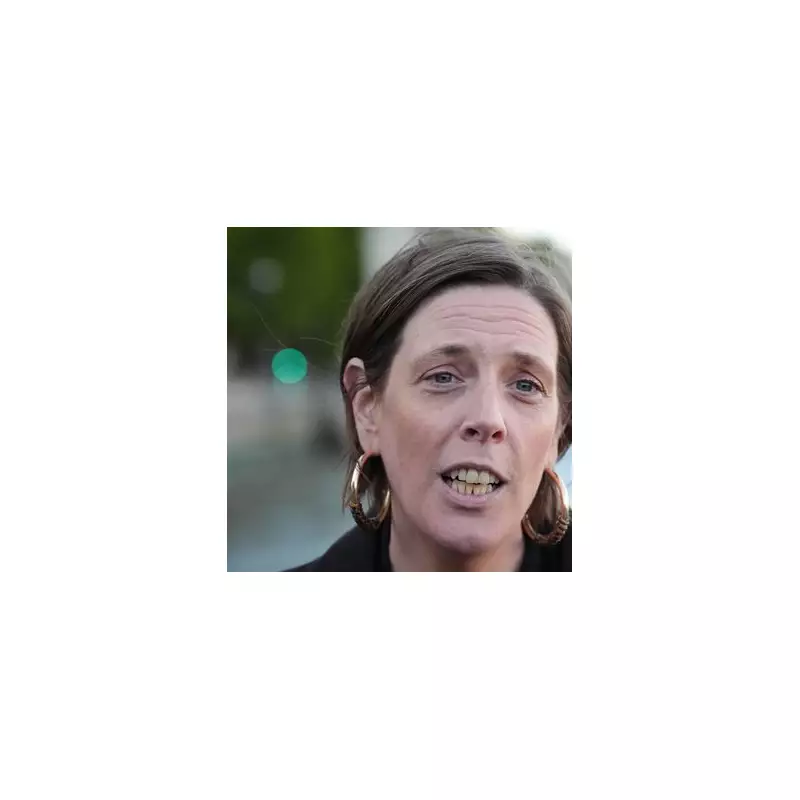
Home Office minister Jess Phillips has declared that teachers in the UK should learn to complain more, directly comparing their situation to that of Birmingham bin workers. Addressing a conference of headteachers, the MP for Birmingham Yardley stated that the education sector has not been adequately thanked for the immense burdens it has shouldered.
A Call for More Vocal Teachers
Speaking at the Girls' School Association (GSA) conference in London, Jess Phillips, who serves as the minister for safeguarding and violence against women and girls, delivered a stark message. She suggested that educators should 'be more Birmingham bin worker', a remark followed by the quick quip, 'But don't go on strike.'
Ms Phillips elaborated on the immense pressure placed on schools, stating that teachers should be allowed to focus on teaching and enriching young lives. Instead, they are often preoccupied with worries about their pupils' home circumstances, including whether they have clean clothes or enough to eat. 'I don't feel like education has been thanked enough, actually, for the level that it has been asked to take on,' she told the audience. 'And largely you didn't whinge. You need to whinge more!'

The Growing Crisis in Schools and Teen Relationships
The minister's comments come amid growing concerns about the role of schools as a social safety net. The headteachers' union, the Association of School and College Leaders (ASCL), has previously warned that the pressure on schools 'has never been higher', with many now operating food banks and assisting families with housing as other public services crumble.
Ms Phillips also raised a separate but critical alarm, highlighting a 'huge and worrying' surge in domestic and sexual violence within teenage relationships. She admitted that the scale of the problem had not been foreseen, noting that society was unprepared for the risks facing young girls today. Approximately half of all child sexual abuse crimes recorded by police in 2024 involved offenders aged between 10 and 17, according to the National Crime Agency, with girls making up around 80% of the victims.
'Certainly you cannot have girls who will thrive in their lives – all that effort you might put into their academia – it doesn't matter how clever, how brilliant they are. If they fall prey to this violence, all of that will have been wasted,' Ms Phillips stated emphatically.
Rebuilding Trust and a New Educational Duty
The government is taking steps to address these deep-seated issues. The Department for Education has published new guidance for Relationships, Sex, and Health Education (RSHE). This guidance mandates that pupils be taught to identify misogyny and understand consent, power imbalances in relationships, and the influence of harmful subcultures.
Furthermore, the government is implementing a new mandatory duty to report child sexual abuse for those working with children, including teachers. This was a key recommendation from the Independent Inquiry into Child Sexual Abuse, which in its 2022 final report characterised child sexual abuse as an 'epidemic'.
During the conference, a delegate pointed to a crisis of confidence, where girls feel unprotected by the system and boys fear being unfairly judged. In response, Ms Phillips reflected on the #MeToo movement, acknowledging that while it 'has changed the world', boys were not properly invited into the conversation. 'And actually what it sounded like to them is: 'We think you're all rapists',' she said, highlighting a systemic failure that allowed untrustworthy sources to fill the void.