Community Campaign Halts UK's Largest Solar Farm
Residents in the Midlands have secured a major victory, successfully opposing plans to build Britain's largest solar farm next to the Malvern Hills. The 271-acre development, proposed by German energy firm RWE Renewables UK Solar & Storage Ltd for a site near Powick in Worcestershire, was rejected by Malvern Hills District Council in a decision celebrated as a David versus Goliath triumph for the local community.
Why the Council Said No
The council refused the application, concluding the massive solar installation would be visually intrusive. In its official reasoning, the authority stated the project would, due to its rural location, scale, and prominence, become an incongruous feature when viewed from public footpaths and the Malvern Hills themselves. The council also highlighted significant concerns about the impact on local roads, with potential works on the A449 possibly lasting for seven months.
Resident and Campaigner Concerns
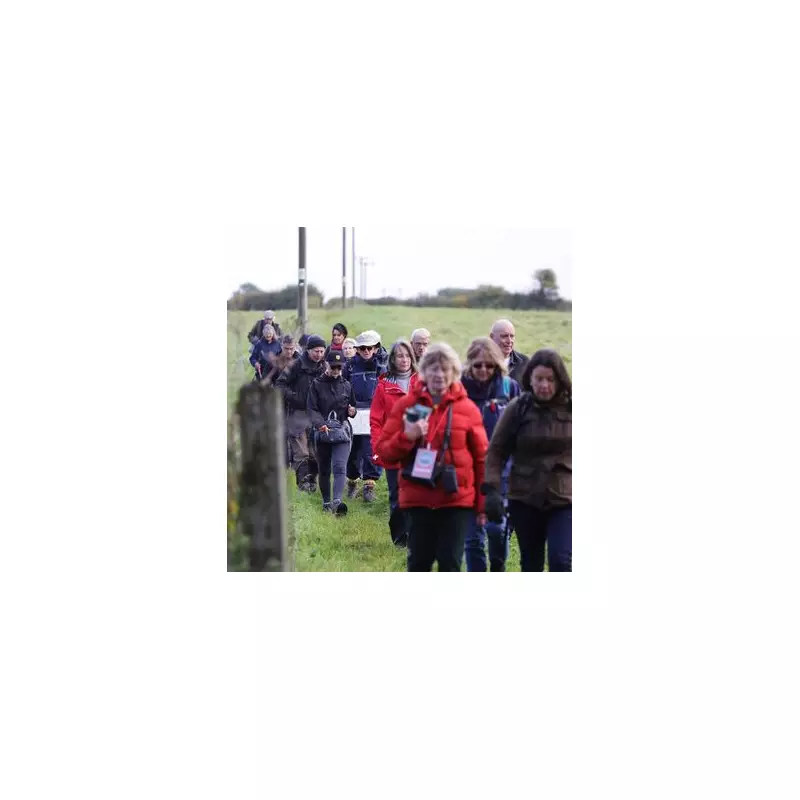
The protest group Preserve Powick Landscape and Nature (PPLAN) led a vigorous campaign, which included organised marches across the proposed site. Locals raised multiple objections, arguing the development would:

- Ruine the iconic vistas of the Malvern Hills, a designated Area of Outstanding Natural Beauty.
- Pose potential fire hazards from the associated energy storage batteries.
- Create issues with traffic, noise, and glare.
- Negatively impact local wildlife.
Steve Lloyd, a farmer living opposite the planned entrance, voiced his relief, stating his primary worry was the sheer size of the project and its proximity to his home and farm. Peter Loader, leader of PPLAN, emphasised the damage to public access and the landscape, noting that both the Malvern Hills Trust and National Landscape officials had formally objected.
What Happens Next?
The rejected Chapel Hill Solar Farm would have dwarfed the UK's current largest solar park, the 250-acre Shotwick site in North Wales. A spokesperson for RWE expressed disappointment at the council's decision and confirmed the company is evaluating its next steps. For now, the decision marks a significant win for community action against a large-scale renewable energy development in a protected landscape.