In a classic David versus Goliath battle, residents of a Worcestershire village have successfully blocked plans to construct what would have been Britain's largest solar farm near the Malvern Hills.
Council Rejects 'Visually Intrusive' Development
Malvern Hills District Council this week refused planning permission for the 271-acre development proposed by German energy company RWE Renewables UK Solar & Storage Ltd. The council determined the massive scheme would be "visually intrusive" and "incongruous" when viewed from public rights of way and the Malvern Hills themselves.
The proposed solar installation would have dwarfed the current largest UK solar farm at Shotwick Solar Park in North Wales, which spans 250 acres. Campaigners argued the development would have ruined cherished views of the Malvern Hills, a designated Area of Outstanding Natural Beauty.

Community Concerns and Coordinated Opposition
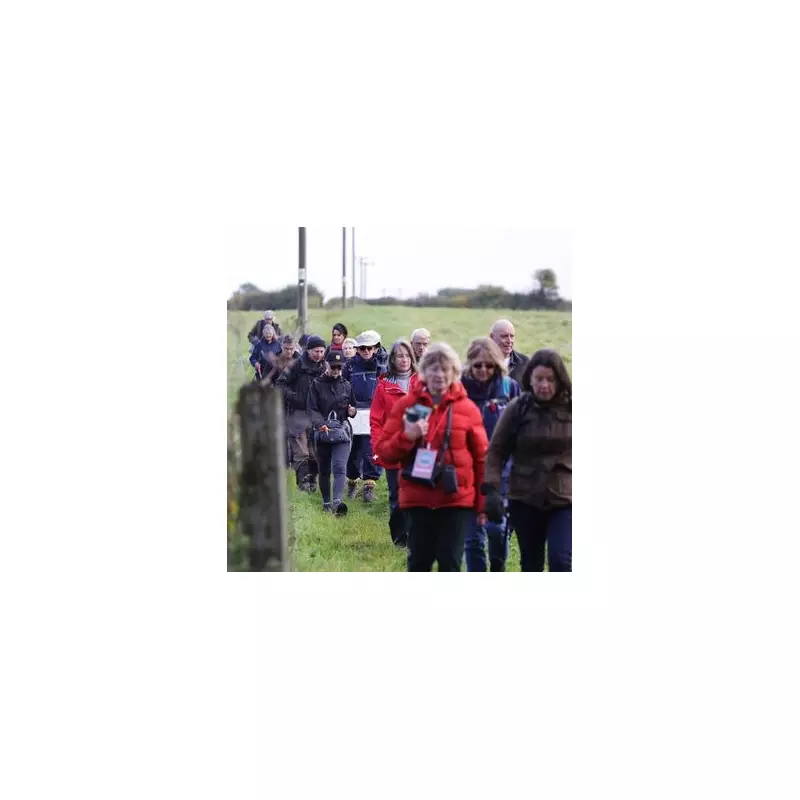
Local opposition was coordinated by the campaign group Preserve Powick Landscape and Nature (PPLAN), which organised protests including symbolic walks through the intended development site. Residents raised multiple concerns about the proposal's impact.
Steve Lloyd, a farmer whose property sits opposite the proposed entrance, expressed relief at the decision. "It was mainly the size of it," he said. "I'm a farmer and would have been so close to my house and my farm. I was thinking about what could go wrong."
Beyond visual impact, locals worried about fire hazards from battery storage systems, potential glare, wildlife disruption, and increased traffic. The council noted substantial road disruption was likely, with fears that roadworks on the A449 could continue for seven months.
Broader Implications for Renewable Development
Peter Loader, leader of PPLAN whose property borders the proposed site, acknowledged the tension between environmental goals and local preservation. "Given the laudable goals of clean, affordable energy, we found it disturbing that the German developer, RWE, should find it necessary to vastly exaggerate the benefits of the proposed development," he stated.
Prior to the council's decision, RWE had defended the project. Bente Klein, RWE solar development project manager, had argued that "providing a sustainable, secure home-grown source of clean electricity is essential to the UK's power security and to helping meet the Government's Clean Power 2030 targets."
The council's final verdict emphasised that the development "would not be sympathetic to local character and history" and would fail to "integrate effectively with its surroundings," marking a significant victory for community campaigners against large-scale industrial development in protected landscapes.