Historic West Bromwich Church Set for Residential Conversion
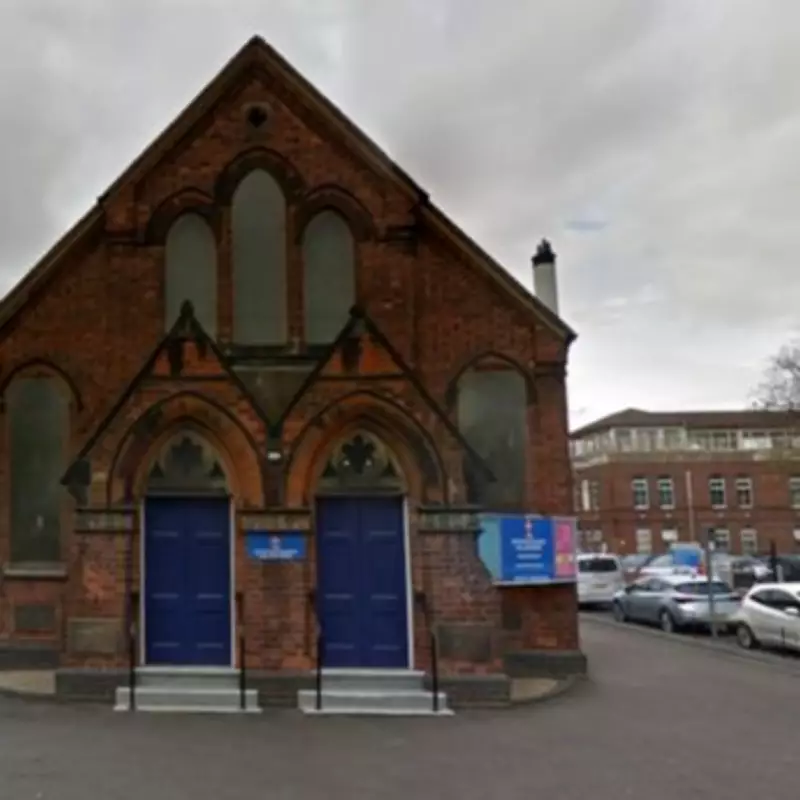
A planning application has been submitted to transform a 143-year-old former Methodist church in West Bromwich into a residential development featuring flats and homes. The proposal for Hallam Street Methodist Church, which first opened in 1883, marks a significant shift from earlier plans that would have seen the building demolished.
From Worship to Residential Living
The application, submitted by Avey Singh, outlines a scheme to convert the main church building into two-storey flats with two and three bedrooms. Additionally, several extensions to the original structure would be demolished and replaced with four four-bedroom terraced houses. The church, located at the corner of Hallam Street and Lewisham Street, initially closed in 2020 during the COVID-19 pandemic, briefly reopened in 2023, then closed permanently in October of last year.
Community activities such as clubs and exercise classes had ceased several months prior to the final closure, leaving the building vacant and underutilized. The planning statement describes the site as previously developed land in a sustainable residential location that has fallen into disuse following its cessation as a place of worship.

Heritage Concerns Shape Revised Plans
Previous proposals involved demolishing the church entirely to make way for six new homes, but these drew objections from Sandwell Council's planning and conservation officers. They expressed concerns about losing a building considered a non-designated heritage asset that contributes positively to the local character.
In response to these concerns, Mr. Singh was advised to redesign the plans to be more sympathetic to the building's historical significance. Council guidance emphasized the need for careful design that preserves as much of the existing materials and architecture as possible.
A Heritage-Led Approach to Development
The current application reflects what developers describe as a heritage-led approach. The planning statement explains: The proposed development has evolved through discussions with the local planning authority, which raised concerns regarding the loss of the church building under earlier redevelopment proposals.
The reconfigured scheme now prioritizes retaining, converting, and finding long-term viable use for the historic church building, while allowing efficient redevelopment of the remainder of the site. This approach aims to balance preservation with practical development needs, ensuring the building's survival through adaptive reuse rather than demolition.
The fate of the 143-year-old structure now rests with Sandwell Council's planning department, which must decide whether the conversion plans adequately protect the building's heritage value while meeting local housing needs.