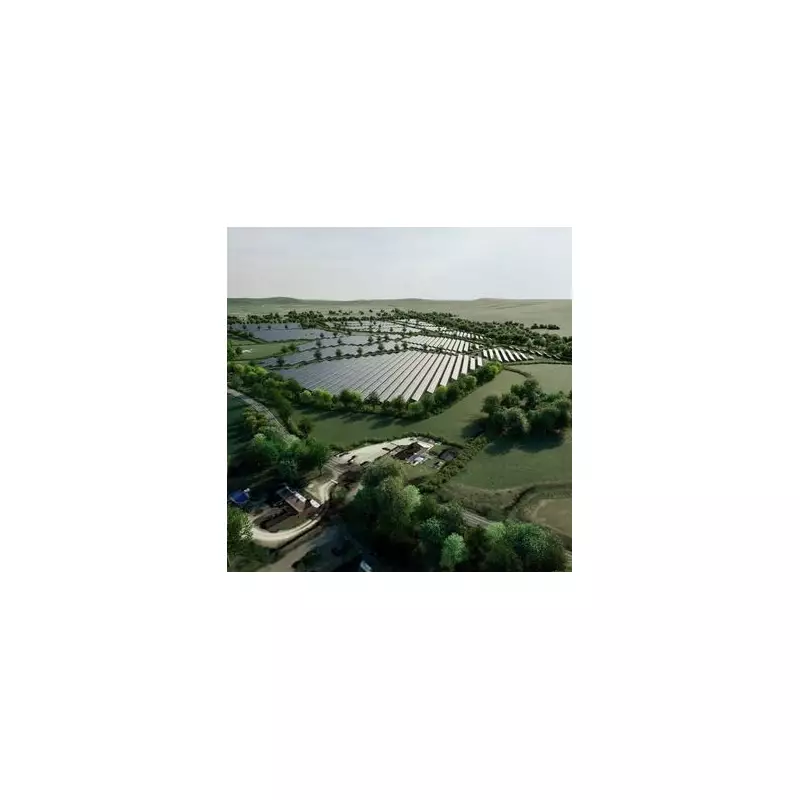
A major new solar energy development, spanning an area comparable to 160 football pitches, has been granted approval for construction in the Wiltshire countryside near Chippenham. This decision marks a significant step forward for renewable energy infrastructure in the region, following a detailed planning process that involved local objections and a public inquiry.
Planning Inspector Overturns Council Refusal
The green light for the project was given by Ben Plenty, an inspector from the Planning Inspectorate, who overruled Wiltshire Council's initial refusal of the application. The council's strategic planning committee had rejected the plans in March 2025, expressing concerns about the visual impact on the landscape and potential effects on designated heritage assets. However, after a one-day hearing held on December 16, preceded by a site visit, the inspector concluded that the development's benefits outweighed these concerns.
Details of the Swallett Energy Park Proposal
Exagen Development Limited submitted the application in December 2023 for what is to be known as the Swallett Energy Park. The project will be situated on a 114-hectare site located between the villages of Christian Malford and Dauntsey. Key features of the development include:

- A 23-megawatt solar park consisting of hundreds of solar panels arranged in strings.
- Panels mounted on metal frames, reaching up to 3.1 metres in height and spaced three to six metres apart.
- A new 33kV substation connected via underground cabling.
According to the applicants, the solar park is projected to generate sufficient electricity to power approximately 9,400 homes, contributing substantially to local and national renewable energy targets.
Addressing Local Concerns and Objections
The proposal faced significant local opposition, with over 50 letters of objection submitted, including formal objections from Christian Malford Parish Council. Residents raised issues regarding the visual impact, particularly for those living in historic properties such as Malford House and Great Ridgeway Farm, both dating from the 1700s.
In his findings, Inspector Plenty acknowledged these concerns but provided a detailed assessment of the landscape impact. He noted that the development would be integrated within the existing field pattern, with measures to retain and enhance hedgerows and tree groups. This approach, he argued, would preserve the structure of field boundaries and maintain the overall character of the area.
Long-Term Landscape Mitigation and Tourism Impact
The inspector's report highlighted that while there would be an initial visual impact, this would diminish from 'major' to 'moderate' over a 15-year period as landscape mitigation measures mature. He emphasised that the proposal would have a largely non-invasive and restorative impact on the landscape features deemed important to the local character areas.
Furthermore, the inspector concluded that there was insufficient evidence to suggest the solar farm would negatively affect tourism in the wider area, local businesses, or users of the nearby canal network. This assessment played a crucial role in the final decision to approve the development, balancing environmental benefits with community and heritage considerations.