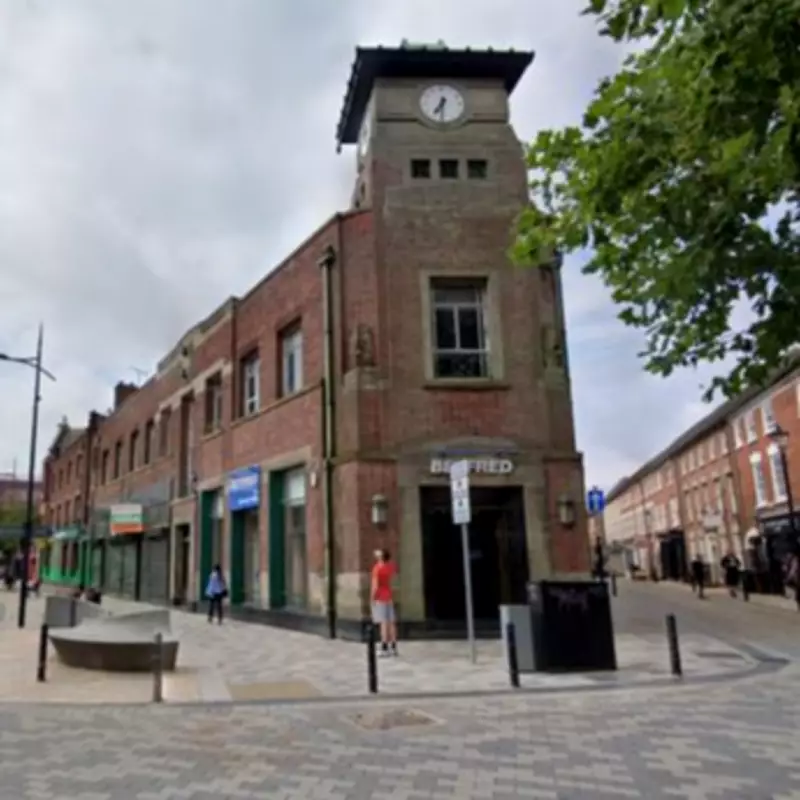
City of Wolverhampton Council has given the green light to an ambitious regeneration scheme aimed at revitalising a century-old building that has long been considered an eyesore in the city centre. The approved planning application will see the vacant structure at 2-5 Princess Street transformed into a vibrant mixed-use development, injecting new life into a key location.
Transforming a Historic Eyesore into a Community Asset
The near-100-year-old art deco building, which has stood empty for years between Betfred and Paddy Power bookmakers, will undergo a comprehensive conversion. PH8 Investments submitted the successful proposals, which promise to address the building's derelict state while preserving its architectural heritage as a locally listed structure.
Comprehensive Development Plans
The regeneration project encompasses multiple levels of the building, each designated for specific purposes:

- Ground Floor: Conversion of the former shop space, vacant for a decade, into new retail units suitable for cafes, offices, or commercial enterprises
- Upper Floors: Transformation of underused spaces into 22 student accommodation flats, addressing housing needs for the city's educational institutions
- Basement Level: Development of leisure facilities including a gym, sauna, and steam room exclusively for student residents
Economic and Community Benefits
Council documentation highlights the project's potential to deliver substantial benefits to Wolverhampton. The development represents what officials describe as "significant investment" that will create employment opportunities during both construction and operational phases. The regeneration will reintroduce commercial activity to a building that has been largely vacant since 2015, when furniture specialist E Marsh relocated, citing disruptive roadworks as a contributing factor.
Notably, the council's assessment indicates that introducing student accommodation to this lively part of the city centre, which already contains residential properties and drinking establishments, should not adversely affect the night-time economy or city centre viability. This balanced approach aims to enhance the area's vibrancy while maintaining existing community character.
Historical Context and Previous Attempts
This approval follows previous unsuccessful attempts to regenerate the building, including a 2018 council approval for restaurant conversion that never materialised. The current comprehensive scheme addresses multiple aspects of urban regeneration simultaneously, combining housing, retail, and leisure elements in a coordinated approach to sustainable development.
The project represents a strategic response to urban challenges, transforming a long-standing problem property into an asset that serves multiple community needs while preserving architectural heritage and stimulating economic activity in Wolverhampton's city centre.