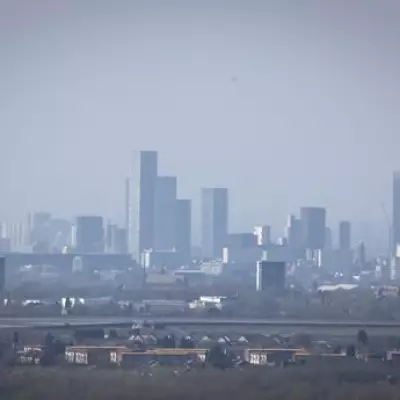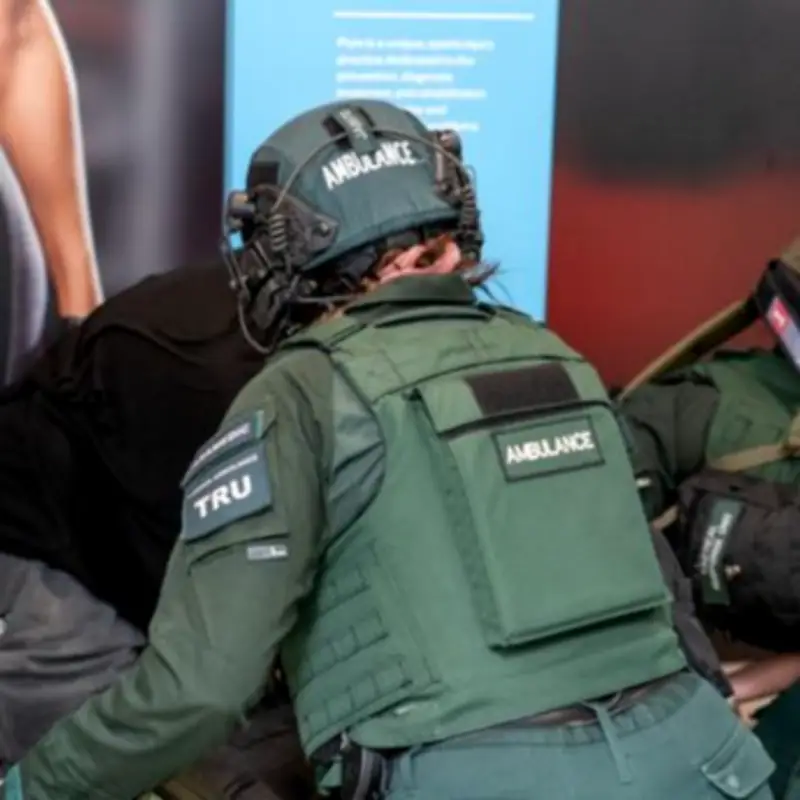
Up to 1,000 people descended on London's Canary Wharf for the largest counter-terrorism training exercise in modern times, codenamed Firebird. The event, which took place on Sunday morning (June 7), tested emergency services' response to various attack scenarios, drawing on lessons learned from the Manchester Arena terrorist attack and deploying new technology such as drones.
Comprehensive Response Testing
Dozens of actors helped create realistic scenarios that tested the skills of police officers, firefighters, paramedics, counter-terrorism investigation teams, and Canary Wharf security staff. The exercise provided a poignant reminder of the 1996 Docklands IRA bombing, which killed two people and injured over 100.
Metropolitan Police Chief Superintendent Kris Wright, who directed the exercise, said: "I'm incredibly grateful to Canary Wharf for providing us an iconic site to test these capabilities for what is, in fact, the largest exercise of its kind that I've ever been involved in, and in modern times." He added that it was poignant that Canary Wharf, site of a well-known terror attack, now hosts an exercise to ensure the response has evolved with the threat.

Evolving Threat Scenarios
Mr Wright explained that emergency services would be tested against a number of different attack types, including marauding attacks with knives, guns, fire, vehicles as weapons, and technical threats. With the UK threat level at "severe," he said there had never been a better time to test responses.
Lessons from Manchester Arena
Experiences from real-life events and previous exercises shaped the design. A key lesson was the "10-second triage" system, a method for categorising and caring for people with varying injuries at a catastrophic event, which came from the Manchester Arena tragedy. Organisers also worked with local make-up colleges to create realistic injuries.
Mr Wright emphasised that exercises like this allow testing of known capabilities and new ones. He said: "The response that Londoners see from their emergency services to the most catastrophic events is world-leading. But we shouldn't be complacent. We should continue to stretch ourselves and test ourselves."
Public Reassurance
The senior officer stressed that everyone has a role, including the public. "If people find themselves caught up in horrendous events, be assured, we are coming, we are there to support and help. There is a well-exercised plan of how we will respond." He clarified that the exercise was not in response to any specific threat or intelligence.
Security Minister Dan Jarvis said: "Our emergency services work around the clock to keep us safe. Exercises like this ensure that should they be called upon, they are able to respond quickly, effectively and with confidence." He thanked all organisations involved and noted that the government has backed intelligence agencies and counter-terrorism police with record funding.