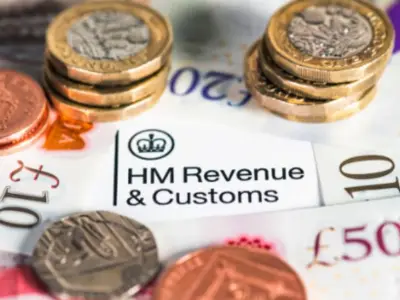
The BBC is facing a significant financial blow as over one million people have stopped paying the TV licence fee, with the annual cost predicted to soar to almost £200 by the end of the decade.
Projected Price Hikes and Falling Subscriptions
According to a report from The Sun, the cost of a TV licence is set for a steep increase. Forecasts from the Office for Budget Responsibility indicate the fee will rise from its current rate of £174.50 a year to just under £197 by the time of the next general election, which is anticipated in 2029.
This projected rise coincides with a sharp decline in the number of people paying. Over the same period, the number of licence fee payers is expected to fall by more than a million, dropping to around 21 million households.

Immediate Financial Impact and Public Backlash
The financial strain on the BBC is already evident. Next year's fee is due to be calculated using the annual inflation figure for September this year, which stood at 3.8 per cent. This could push the current fee to over £181 in the near term.
This potential increase appears to be accelerating a trend of non-payment. As of this year, 3.6 million households are refusing to pay the fee, a jump of 300,000 from the previous year. A report by the Commons Public Accounts Committee (PAC) highlighted that this non-compliance represents a potential loss of £617 million in revenue if these households were paying.
Viewers Voice Their Discontent
Social media is rife with criticism from former licence fee payers, illustrating a growing public frustration with the funding model.
One person stated, "The BBC can charge as much as they like because I'll never watch them or pay for their crap again. 8 years licence free and terrestrial TV is so yesteryear now." They championed on-demand services, adding, "On demand all the way.. watch what I want when I want and how I want."
Another comment highlighted the perceived impotence of the TV Licensing authority: "People are cancelling in their droves and it seems other than letters and threatening behaviour there’s jack they can do about it."
The high cost was a recurring theme, with one user arguing, "The reason it should be blocked is that it is just too high and it stops people who cannot afford it from watching tv paid for by advertisements." Another suggested alternative funding, commenting, "Just put levy on the the commercial stations, and they can afford it. I work in Australia, ABC network is funded this way."
There was also confusion about what the licence covers, with one person clarifying, "It appears that you need a license to watch ANY live TV, and that includes Sky, Freeview... basically any programme that comes into your home through your TV. So the fee is not just for the BBC."