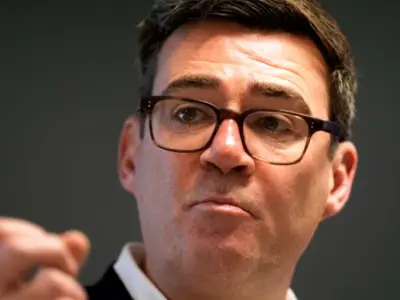
Andy Burnham has endorsed a plan that would see UK households face an annual charge of £2,400 on homes worth £500,000, as part of a radical overhaul of property taxation. The former Greater Manchester Mayor has long advocated for a Land Value Tax (LVT), which he first proposed in 2010 during his initial bid for the Labour Party leadership.
Stamp duty and council tax scrapped under LVT
Under the proposals, if Burnham becomes Prime Minister, stamp duty and council tax would be abolished. Homeowners would instead pay a flat 0.48 per cent tax on the current value of their property. For a home worth £500,000, this equates to £2,400 annually; for a £250,000 home, the charge would be £1,200.
“The LVT, an annual tax on the market rental value of land, would allow for the abolition of stamp duty - a tax on the aspiration of young people to put down roots and get on with life,” Burnham said.

Impact on London homeowners
According to Fairer Share’s estimates, the average homeowner in London would pay £260 more per year under the new system, with Londoners collectively facing an additional £2.5 billion in tax. Burnham described council tax as “highly regressive” and argued for a change in land, property, and business taxation.
“I’ve long been persuaded of the argument for a Land Value Tax. [Council tax] is a highly regressive tax. I see a big case for land and property and business taxation to be changed,” he stated.
Expert reactions: pros and cons
Tom Bill, head of UK residential research at Knight Frank, warned that annual revaluations could influence homeowner behaviour. “Annual revaluations will turn house price growth into an ongoing tax liability, which would inevitably affect decision-making. The psychological difference between a one-off stamp duty bill and a recurring tax charge means up-sizers could think twice, particularly in London and the south-east where payments are likely to be a proportionately larger share of income.”
Rebecca Williams, Financial Planning Divisional Lead at Rathbones, noted that Burnham’s past comments signal potential policy direction. “Andy Burnham, the leading candidate to be the next prime minister, has signalled a different direction on tax, property, and public spending. Nothing is confirmed. His past comments don’t guarantee future policy, but they give an indication of what could change if he does become prime minister.”
How LVT would work
Williams explained that a land value tax would replace the current property tax system with an annual charge based on land value, not the building. “Burnham has said that land is under-taxed, and that he would advocate for a land value tax to replace stamp duty and council tax. If introduced, it could increase ongoing costs for owners of high‑value properties or properties occupying a large plot of land, while potentially making it possible to reduce other property-related taxes. This could also affect property prices, as new taxes tend to be reflected in valuations.”
Concerns for landlords and tenants
Tom Bill also highlighted potential negative effects on the rental market. “At a time when many landlords are struggling to make things stack up financially, any further disincentive is likely to result in less stock and higher rents, which hurts tenants.” He added that taxing the asset rather than the transaction is sensible in principle, but cautioned: “Cross-party support or not, proposals should feel politically neutral to avoid replicating the unintended consequences seen with stamp duty changes in the last decade by ensuring a liquid property market that raises as much for the Exchequer as possible, irrespective of your postcode, which would be a real break from the past.”