Andy Burnham has confirmed his commitment to the state pension triple lock, a move that could provide pensioners with an additional £2,100 over the course of this Parliament. The pledge comes as Burnham is widely expected to succeed Sir Keir Starmer as Prime Minister following Starmer's resignation on Monday, June 22.
Triple Lock Commitment
The triple lock, introduced by the coalition government in 2010, determines the annual increase in the state pension. In an interview with the i Paper, Burnham stated that breaking the manifesto commitment would be a “very damaging thing to do.” He noted that the initial decision to scrap winter fuel payments “still comes up on doorsteps a lot here in Makerfield,” where he was sworn in as the new MP on Monday after winning a byelection last week.
Financial Implications
The Office for Budget Responsibility has warned that the triple lock could put government finances on an “unsustainable path,” costing £15 billion a year by the end of the decade. Despite this, the previous government under Starmer and Rachel Reeves committed to maintaining the policy. A government press release in April boasted that “the Government’s Triple Lock commitment means pensioners’ incomes will rise by up to £2,100 over this parliament,” benefiting over 12 million pensioners.

Support and Criticism
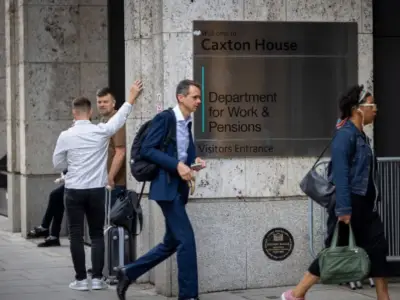
DWP boss Pat McFadden defended the policy, saying, “I know global shocks, and the effects they have on our living costs, will be increasing anxiety for many households. This government will always protect our pensioners, and that’s why we are raising the full rate of new State Pension by up to £575 this coming year.” However, the Resolution Foundation, once led by current pensions minister Torsten Bell, has called for the policy to be scrapped, stating, “As well as being unfair, it is also not fiscally sustainable for the state pension to rise forever by more than the earnings of a typical worker.” The Tony Blair Institute describes the triple lock as “unaffordable,” and former chancellor Jeremy Hunt called it “unaffordable and immoral” as well as a “drag on economic growth.”