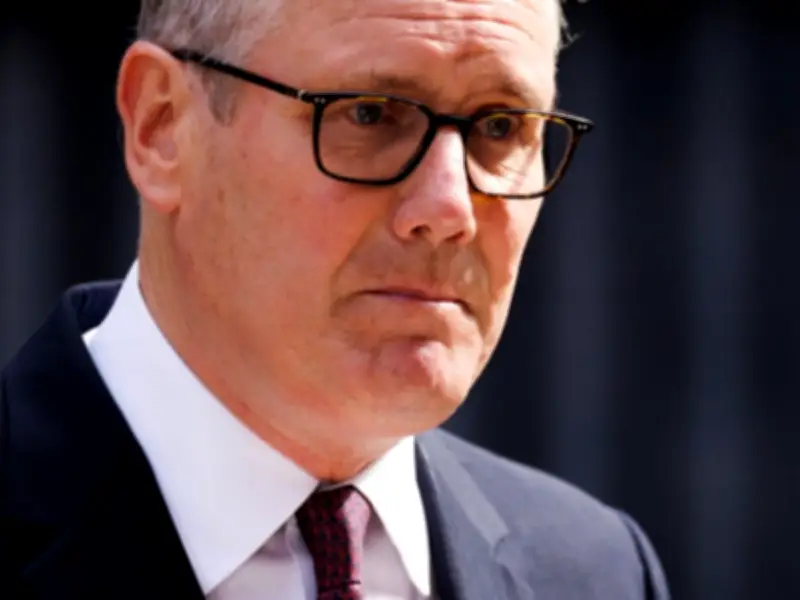
Sir Keir Starmer has resigned as Prime Minister, stepping down just after delivering what supporters describe as the biggest upgrade to workers' rights in a generation. The Labour leader will make way for Andy Burnham, who has confirmed his candidacy to replace Starmer.
Pay Rise for Millions
From April this year, the national living wage for over-21s increased from £12.21 to £12.71 per hour, a 4.1% rise. This boosted the annual earnings of approximately 2.4 million low-paid workers by £900 each, according to government figures. The increase directly impacted about two million households across the UK.
Paul Nowak, general secretary of the Trades Union Congress (TUC), called the move "historic" and said it gave workers "vital rights." However, the Conservative Party and business groups warned that the policy could be costly for businesses and might lead to a reluctance to hire new staff.

Employment Bill and Workers' Rights
Starmer's government also passed an employment bill hailed as the biggest upgrade to workers' rights in a generation. The legislation introduced new protections for workers from their first day in a job, including enhanced sick pay, parental leave, and new pay rates for zero-hours contracts.
Supporters have championed these successes following Starmer's resignation, but critics argue the measures impose additional costs on employers.
Andy Burnham Steps Forward
Andy Burnham, the Mayor of Greater Manchester, confirmed he will stand as a candidate to replace Starmer. In a statement, Burnham said he would provide Britain with "stability, seriousness and a continued focus on the issues that matter most."
"Keir has given huge service to our country and I want to thank him for his leadership and dedication during such a challenging period," Burnham said. "His decision marks the beginning of a transition and it is important that this process is conducted in an orderly and responsible way. I will put myself forward as part of this process."
Burnham emphasised the need for progress on economic growth, the cost of living, public services, housing, and opportunities for the next generation. "Political change should never distract from the responsibility to improve people's lives," he added. "The Labour movement has always been at its strongest when it looks forward with confidence and purpose. This is what we will do from here and we will make sure this transition is a positive process of renewal for our party and our country."