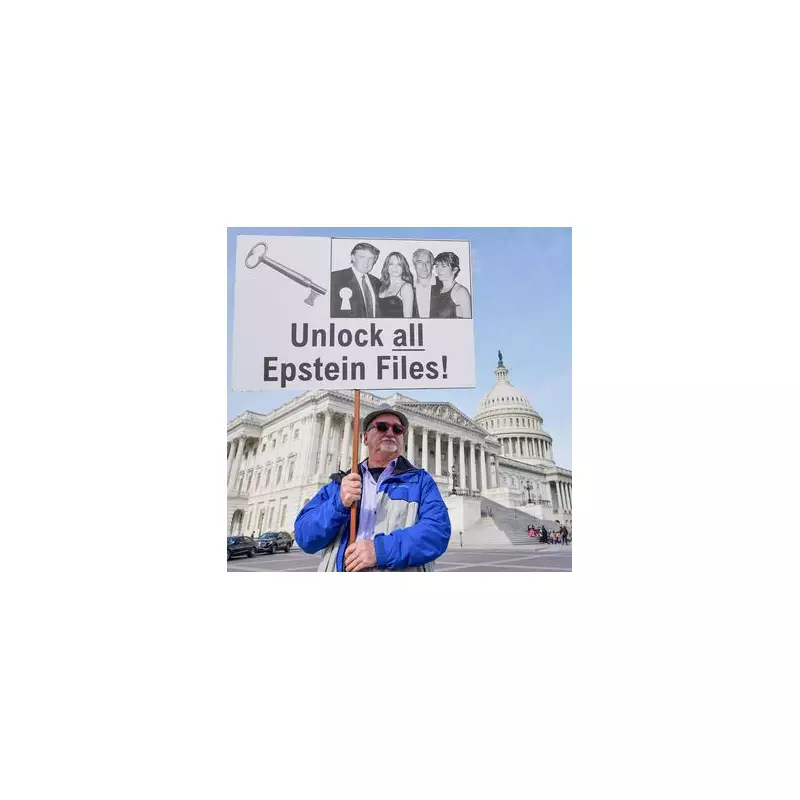
The US Department of Justice has made public thousands of documents related to the late financier and convicted sex offender, Jeffrey Epstein. This significant data dump follows a legal deadline set by newly enacted legislation.
Deadline Met Amidst Controversy
The release occurred on Friday, 19th December 2025, a date set as the final deadline for compliance. The action was mandated by the Epstein Files Transparency Act, a federal law signed by President Donald Trump one month prior. This bipartisan law compelled the DoJ to disclose all remaining documentation in a major push for openness regarding the Epstein case.
However, the process was not without immediate controversy. Earlier on Friday, US Deputy Attorney General Todd Blanch indicated that the files would not be released in their entirety before the deadline. This prompted a swift and sharp rebuke from the Democratic Party.

Political Backlash Over Incomplete Release
Senate Minority Leader Chuck Schumer led the criticism, stating unequivocally that the Trump administration had broken the law. "The Trump administration had 30 days to release ALL the Epstein files, not just some. Failing to do so is breaking the law," Schumer said.
The newly released files are expected to contain numerous names connected to Epstein's vast network of influential associates. The DoJ included a crucial disclaimer with the release, noting that any names mentioned do not mean the identified individuals have done anything wrong.
A Long-Awaited Step for Transparency
The publication of these documents marks a pivotal moment in the ongoing public and legal scrutiny of Epstein's activities. For years, campaigners and lawmakers have demanded full transparency, arguing it is essential for understanding the scope of his operations and the failure of institutions that allowed them to persist.
While the release satisfies the initial requirement of the Transparency Act, the political fallout from the perceived incomplete disclosure is likely to continue. Questions remain about what, if any, documents were withheld and the rationale behind those decisions.