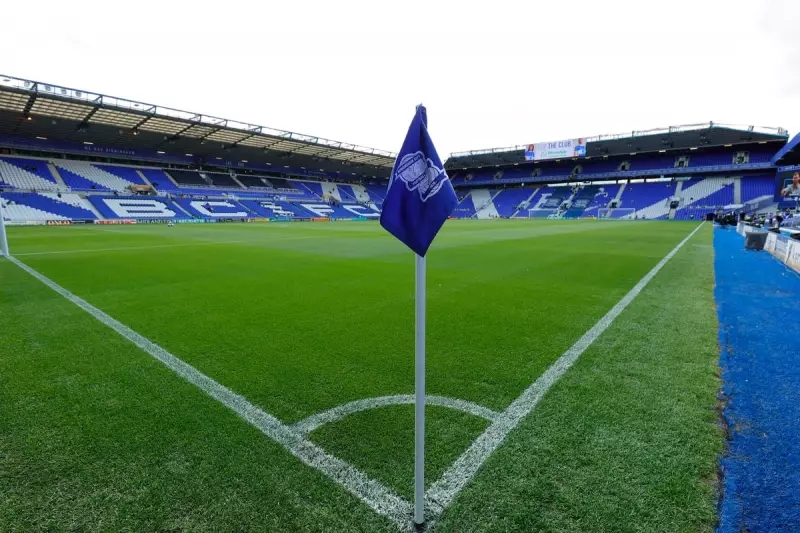
Birmingham City have unveiled ambitious plans for a new stadium that would dramatically reshape the club's future and place them among the elite of British football in terms of ground capacity.
From League One to Premier League Ambitions
Birmingham City's owners are driving an ambitious project aimed at eventually returning the club to the Premier League. The Blues endured relegation to League One last year but responded emphatically by winning the third-tier title at the first attempt under manager Chris Davies.
This successful campaign, which also saw Wrexham and Charlton Athletic promoted alongside them, provided a platform for rebuilding and establishing a winning mentality. Now back in the Championship, the club is laying foundations both on and off the pitch for sustained progress.

Mixed Start to Championship Life
The current season has presented challenges for Birmingham City as they readjust to life in the second tier. After 11 fixtures, Davies' side sits in 11th position, just four points adrift of the play-off places currently occupied by Hull City and Millwall.
The summer transfer window saw significant investment in the squad with high-profile arrivals including Kyogo Furuhashi, Tommy Doyle, and Demarai Gray. While these new additions have required time to gel, the January transfer window offers further opportunity to strengthen the squad.
The team's last outing resulted in a 2-1 away defeat to Middlesbrough at the Riverside Stadium. Attention now turns to their upcoming home fixture against Norwich City as they seek to return to winning ways and close the gap to the top six.
Stadium Plans That Would Transform English Football
The most eye-catching aspect of Birmingham's long-term vision involves their stadium ambitions. Plans are progressing for a new Sports Quarter featuring a 62,000-capacity stadium that would rank among the largest in the United Kingdom.
If completed, Birmingham's new ground would become the fifth largest stadium in Britain, surpassed only by:
- Wembley Stadium (90,000) - England national team
- Old Trafford (74,197) - Manchester United
- Tottenham Hotspur Stadium (62,850) - Tottenham Hotspur
- London Stadium (62,500) - West Ham United
The proposed 62,000-seat venue would exceed the capacities of iconic grounds including Liverpool's Anfield (61,276), Arsenal's Emirates Stadium (60,704), and Celtic Park (60,411). It would also comfortably surpass local rivals Aston Villa's Villa Park (42,657) and other major venues like St James' Park and Stamford Bridge.
This substantial infrastructure project underscores the scale of ambition at St Andrew's as the club positions itself for a potential Premier League future, with the expanded capacity potentially accommodating significantly larger crowds for top-flight football.