Aston Villa's Summer Transfer In-Tray: Key Challenges and Priorities
An intriguing summer transfer window awaits Aston Villa, with their flexibility largely dependent on the success of the final two months of the season. Under Unai Emery, the team is aiming for a Champions League return, either via league position or by winning the Europa League, while also targeting an end to the club's 30-year trophy drought.
Securing a spot in UEFA's elite competition would provide Villa with more leeway in the transfer market. However, they remain bound by financial regulations tied to their revenue, shaping their approach to squad management.
Reducing the Squad's Average Age
The average age of Villa's squad has steadily increased under Emery, rising from 27 in the 2022/23 season to 28.4 this term. This figure represents the third-highest average squad age since the 2020/21 campaign, and the second-highest this season, trailing only Fulham.

Fifteen players in Emery's squad are aged 28 or older, with Ezri Konsa, Tammy Abraham, Leon Bailey, and Matty Cash all set to turn 29 later this year, following Youri Tielemans' 29th birthday in May. Key figures like John McGinn, Victor Lindelof, Ross Barkley, Lucas Digne, Tyrone Mings, Emi Martinez, and Marco Bizot are now over 30, while Ollie Watkins reached that milestone in December, and Emi Buendía and Pau Torres are 29.
Revenue from player sales is crucial for Emery to enhance and reshape the squad, making the ageing group a significant challenge for Roberto Olabe, Villa's president of football operations. Market values typically peak between ages 26 and 28, yet many of Villa's starters and bench options exceed this range, complicating transfer strategies.
Bracing for Interest in Morgan Rogers
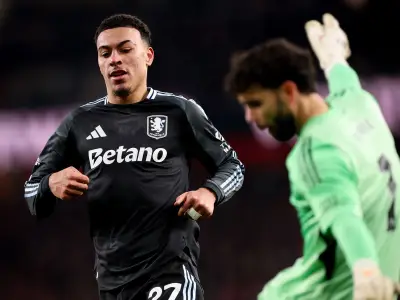
Morgan Rogers is anticipated to attract interest this summer, but Villa will demand a substantial fee for one of their prized assets. With a contract running until 2031, Villa hold a strong negotiating position and hope Rogers remains a central figure in their long-term plans.
Historically, Villa have had to sell to buy, but the club has consistently avoided offloading players deemed key by Emery. Instead, they raise funds by moving on replaceable squad members, a strategy likely to continue this summer.
Securing New Contracts for Key Players
Last summer, one of Villa's most successful moves was securing Boubacar Kamara's future with a new contract, extending his deal from 2027 to 2030. This summer, several key players will enter the final two years of their contracts, including Youri Tielemans, John McGinn, Ezri Konsa, Ollie Watkins, and Pau Torres.
Meanwhile, Tyrone Mings will move into the final year of his contract after signing a 12-month extension last year. Decisions on these players' futures will need to be made, if not this summer, then in the following months, to avoid potential disruptions.
Addressing Emi Martinez's Future
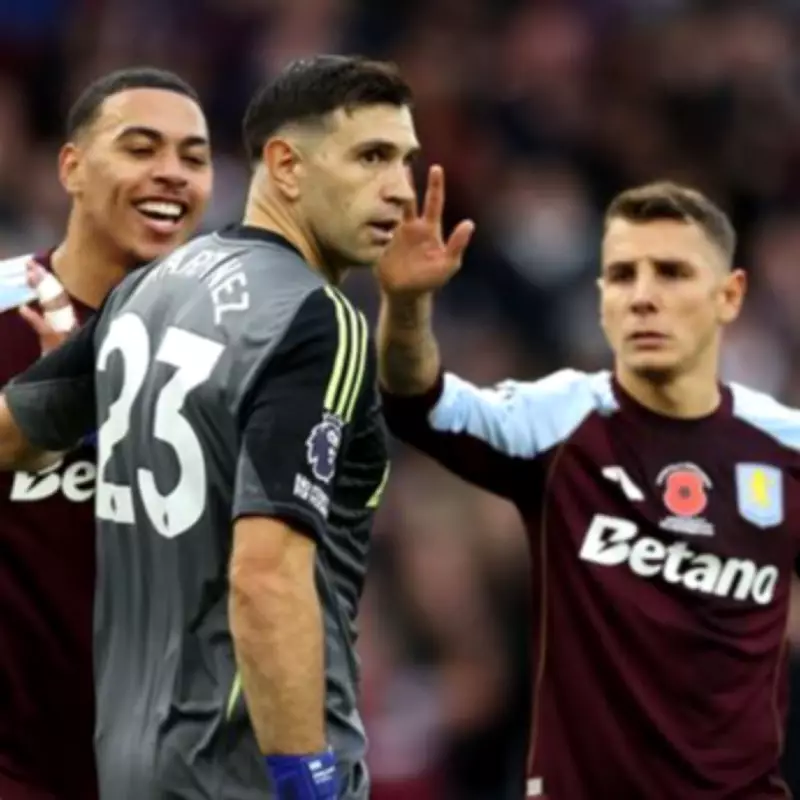
Emi Martinez's future is expected to resurface as a topic this summer, following a near-departure at the start of the current season. After breaking down in tears at the end of Villa's final home match last season against Tottenham, the Argentina international believed it might have been his last appearance at Villa Park.
He remained open to joining Manchester United until deadline day, but the club ultimately signed Senne Lammens instead. If Martinez helps Villa win the Europa League in May and secure a Champions League return, it could alleviate some frustration among supporters from a difficult summer.
Replacing Martinez would be no easy task, as his influence on the team is often underappreciated, despite a few recent errors in his performances. His leadership and skills make him a vital asset for Villa's ambitions.