A British Airways flight bound for London was forced to declare a mid-air emergency while crossing the Atlantic, triggering a major alert for air traffic controllers.
Flight BA296's Emergency Signal
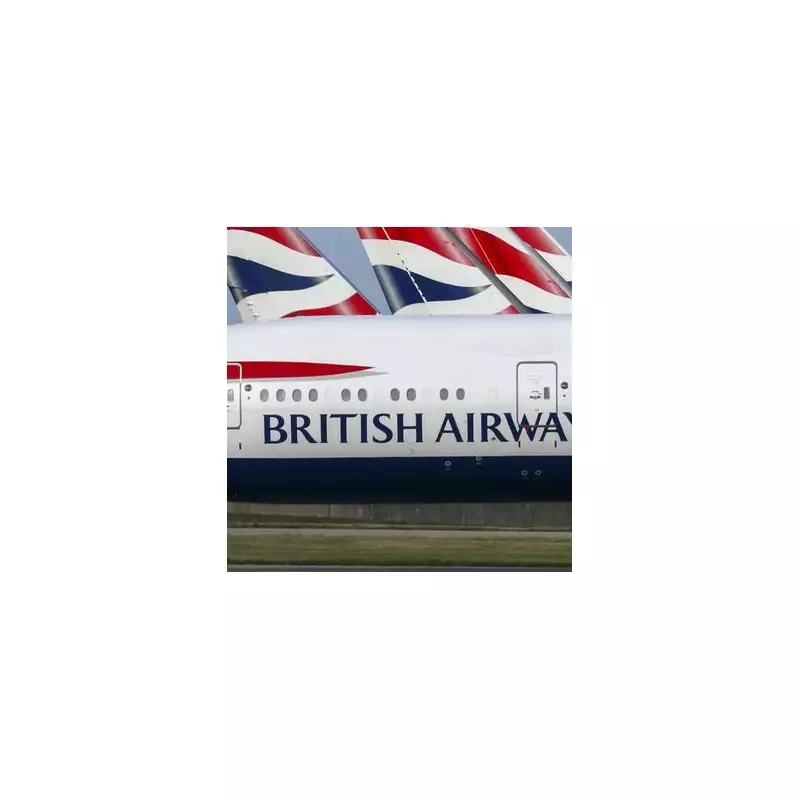
British Airways flight BA296, operating from Chicago O'Hare to London Heathrow, issued the universal distress signal 'squawk 7700' while flying over Northern Ireland. This transponder code immediately notifies controllers and other pilots that an aircraft is facing a serious situation and requires priority handling and assistance.
The Airbus jet, adorned in the Oneworld alliance livery, had already experienced a significant delay before takeoff. It departed Chicago at 11:02 p.m. local time, over an hour behind its scheduled 9:45 p.m. departure. Despite the in-flight incident, tracking data from services like Flightradar24 indicated it continued towards its destination and was expected to land around 12:16 p.m. at Heathrow.

Cause and Response to the Mid-Air Alert
The specific reason for the emergency declaration has not been disclosed by the airline. However, the use of the 7700 squawk is reserved for significant issues, which can range from critical technical faults—such as engine problems or pressurisation failures—to onboard medical emergencies or security concerns.
By declaring the emergency, the flight crew gained immediate operational flexibility. This crucial step allowed air traffic control to clear surrounding airspace and vector the aircraft for a direct, prioritised approach, ensuring all necessary ground emergency services were on standby for its arrival.
Safety Protocols and Airline Statement
Such declarations are a fundamental part of global aviation safety procedures, designed to protect passengers and crew by ensuring the fastest possible response to any irregularity. At the time of reporting, British Airways had not released a detailed statement explaining the technical or operational issue that prompted the alert. The event was treated as a breaking news story, with further information anticipated.
The incident underscores the robust protocols in place to manage unforeseen events during flight. The safe landing of the aircraft demonstrates the effectiveness of pilot training and coordination between cockpit crews and air traffic services when handling such situations.