Cornwall Chamber CEO Warns: Axing London Flights Would Be 'Dangerous Loss'
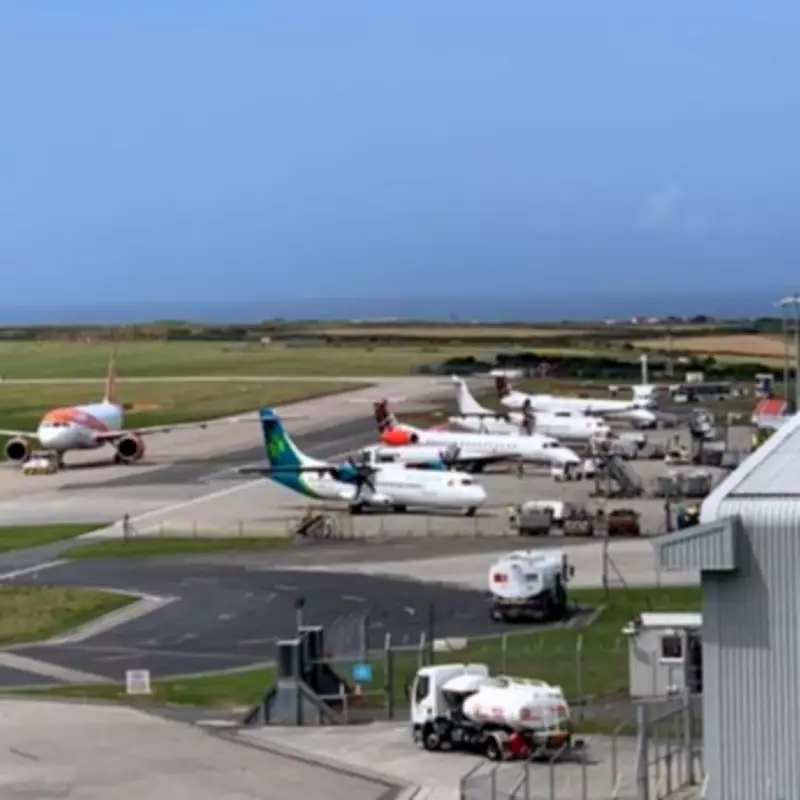
One of Cornwall's most prominent business leaders has issued a stark warning against proposals to discontinue the publicly subsidized air route from Newquay Airport to London. Cornwall Council's cabinet is poised to abandon the Public Service Obligation (PSO) service at a meeting tomorrow, aiming to save millions of pounds amid financial pressures.
Financial Strain and Failed Procurement
The PSO is jointly funded by Cornwall Council, which owns Cornwall Airport Newquay, and the Department for Transport (DfT). Previously, the DfT provided 66.7 per cent of the funding, but its decision to reduce this contribution to 50 per cent has placed additional strain on the already financially stretched council.
Council officials have disclosed that continuing the service would likely require a taxpayer subsidy of between £14 million and £16 million over the next four years, with Cornish taxpayers directly footing half of that bill. This move follows the council's failure to attract tenders during two PSO procurement bids over the past nine months.

There is now a push to replace the PSO with a commercial operation, which would be unlikely to operate as frequently as the daily PSO flight, potentially reducing connectivity for businesses and residents.
Business Leader Calls for Caution
John Brown, chief executive of the Cornwall Chamber of Commerce, has called for caution, stating that diminishing London connectivity when Cornwall is vying for national and international investment would be an "act of self-harm." He is urging Cornish firms opposed to the loss of the PSO route to contact their councillors, Cornwall's Liberal Democrat/Independent cabinet, and their MPs to lobby the DfT to reconsider its reduced financial backing.
Mr Brown said: "We understand the financial pressures – two procurement exercises failed to attract compliant tenders, the Department for Transport has cut its contribution from 66.7 per cent to 50 per cent, and aviation costs have risen sharply. But the Chamber believes this decision carries risks that far outweigh the savings."
Economic Impact and Connectivity Concerns
He noted that the council's own cabinet report acknowledges Newquay Airport generates an estimated £100 million in annual Gross Value Added to the regional economy. "The PSO costs the council approximately £1.5 million per year. That is a serious return on public investment and one that very few other council spending commitments can match," Mr Brown emphasized.
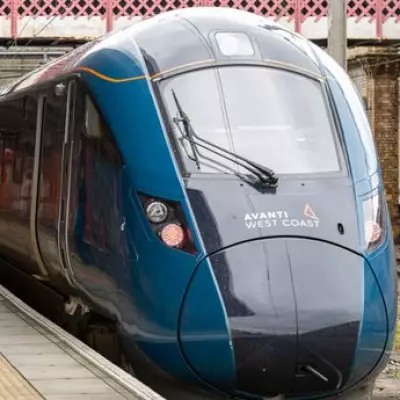
Businesses have consistently highlighted the importance of daily flights to and from London for talent acquisition, investment opportunities, and business growth. Mr Brown addressed the business community, stating: "Cornwall's transport network cannot absorb this loss. Rail to London is chronically under-invested, expensive, and frequently exceeds five hours. Recent severe weather has shown how quickly Cornwall can be cut off entirely."
Risks of Commercial Replacement
The council's report admits that commercial operators "may not provide the same level of winter frequency or day-return capability" and that "there is of course the risk that commercial routes and other commercialisation cannot replace the airport losses and the airport becomes unsustainable." Mr Brown warned: "Removing another element of our transport network without a proven replacement is dangerous."
He described it as "disappointing" that the DfT is scaling back its support when regional connectivity ought to be a national priority. "Cornwall is spearheading the UK's future economy. Reducing London connectivity at precisely the moment Cornwall is competing for national and international investment would be a further act of self-harm," he concluded.