Jaguar Land Rover could face delays in receiving its first deliveries of electric car batteries from a government-backed factory in Somerset after the battery maker, Agratas, changed its main contractor. Agratas, owned by Indian conglomerate Tata, confirmed last week it had parted ways with Sir Robert McAlpine (SRM) and replaced it with Tonroe Group, a Buckinghamshire-based privately owned business.
Gigafactory Construction Changes
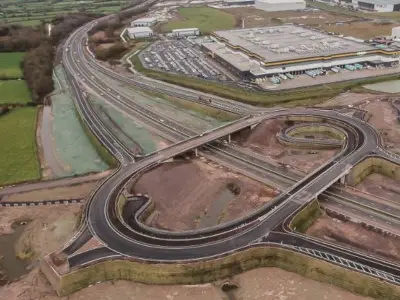
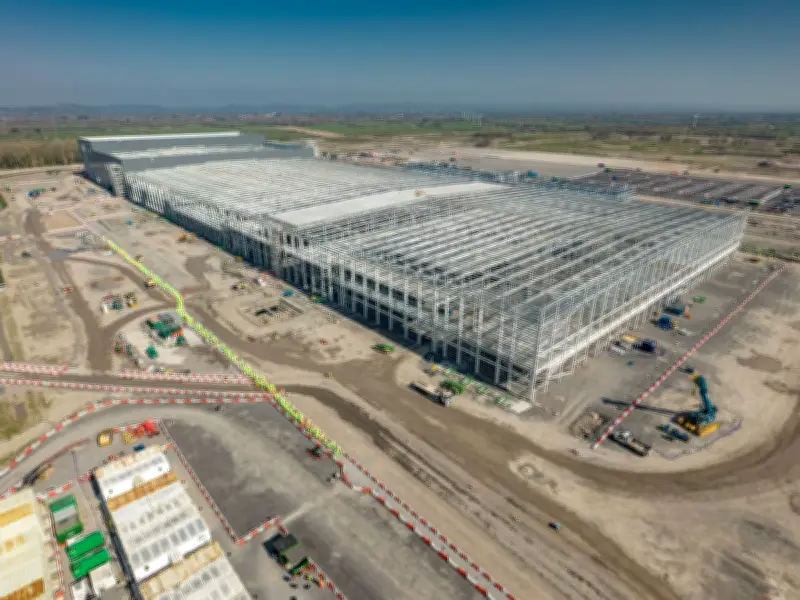
Agratas is building a £5.2bn plant near Bridgwater, Somerset, which will supply electric batteries to Jaguar Land Rover and Tata Motors once operational. When Tata first announced the UK plant in 2023, it targeted a 2026 launch. On Monday, the company insisted production was still expected to start in late 2027, despite reports it could be pushed back to 2028. Agratas also refused to reveal the final estimated cost after the Guardian reported the construction budget could exceed the original £800m by at least £500m.
A spokesperson for Agratas said: "As the project has progressed, we have determined that a different construction delivery model is needed to support the next phase of our development. Following a review of the project's requirements, we have decided to transition to a new construction partner. We thank our existing construction partner for their support to date. This change reflects the evolving needs of the project, positioning us to deliver the next phase with the capability and focus required to meet our objectives safely, efficiently and on schedule."

Government Subsidies and Job Creation
In April, the government promised around £380m in subsidies for the Agratas factory, located at the Gravity Smart Campus, a 616-acre enterprise zone in Somerset focused on cleantech businesses. The project is seen as crucial for Britain's automotive sector as it moves towards electrification and away from fossil fuels. The plant is expected to generate up to 4,200 jobs once fully operational, along with 300 local apprenticeships.
Impact on Jaguar Land Rover
Delays to the start of factory production could prove problematic for Jaguar Land Rover, which will depend on the plant for batteries for its vehicles, including the electric Range Rover. JLR declined to comment when contacted by Business Live. The news comes just days after JLR announced plans to focus on wealthy North American buyers as it aims for double-digit revenue growth and adjusts its electric vehicle plans. The West Midlands-based group, which also has a large factory in Halewood, Merseyside, has accelerated its push into electric vehicles, but CEO PB Balaji has said there is "no way" it would phase out petrol vehicles entirely as they remain in demand, particularly in the US and the Middle East.