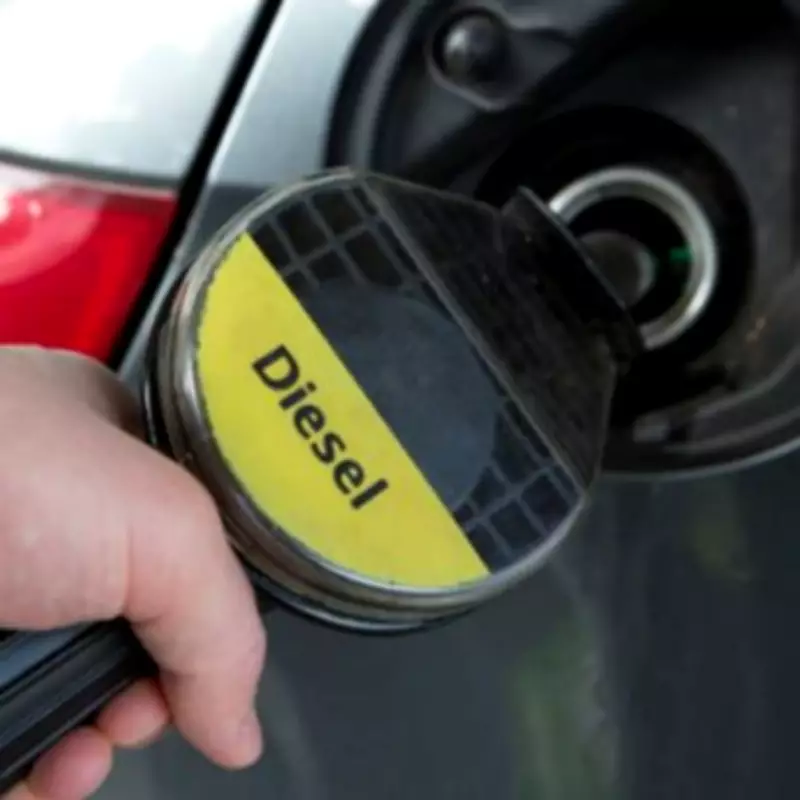
Diesel Car Market Enters Structural Decline as Electric Vehicle Transition Accelerates
The automotive industry is witnessing a decisive shift away from diesel vehicles, with new data confirming a dramatic decline in diesel car registrations alongside surging electric vehicle adoption. Industry experts are warning manufacturers that failing to invest adequately in electric vehicle technology could leave them trailing behind more forward-thinking competitors.
Government Policy Driving Change
The Labour Party government has confirmed its commitment to phasing out fossil fuel vehicles, with a ban on new petrol and diesel car sales set for 2030. This will be followed by a complete transition to electric-only new car sales from 2035. These policy measures are designed to accelerate the UK's move toward sustainable transportation and reduce the environmental impact of fossil fuel-powered vehicles.
Registration Numbers Tell the Story
The latest registration figures reveal the stark reality of diesel's decline. In 2025, just under 104,000 new diesel cars were registered, representing a significant 15.6% decrease compared to the previous year. Diesel vehicles now account for only 5.1% of new car registrations, marking a dramatic fall from their previous market dominance.

In sharp contrast, electric vehicle registrations have surged dramatically. Over the last twelve months, 473,348 new electric cars were registered, capturing 23.4% of the total market share. This represents a substantial 23.9% year-on-year increase, demonstrating the accelerating pace of electric vehicle adoption.
Industry Experts Sound Warning
Ginny Buckley, chief executive of Electrifying.com, emphasized the shifting market dynamics in comments to GB News. "Whichever way you look at it, diesel's on the way down and electric's on the way up," she stated. Buckley specifically warned that certain manufacturers, including Vauxhall, Peugeot, and Citroen, "are in danger of missing the boat twice if they don't invest in making the efficient, practical, affordable EVs that their rivals already have on sale."
Nick Bailey, founder of BatteryIQ, described diesel as being in "structural decline" and cautioned against manufacturers questioning electric vehicle demand rather than improving their products. "When brands struggle to compete in electric, it is easier to question demand than fix the product. But the data is clear," Bailey told GB News. "Strategy built on noise rather than evidence rarely ends well. The market is moving decisively toward battery EVs."
What the Transition Means for Drivers
The government's planned ban specifically targets new vehicle sales, meaning:
- Existing diesel, petrol, and hybrid car owners can continue driving their vehicles
- The second-hand market for internal combustion engine and hybrid vehicles will remain active for the foreseeable future
- Plug-in and full hybrid cars, which still rely significantly on petrol or diesel despite using some electric power, will be phased out alongside conventional vehicles
The ultimate goal of these measures is to drive a comprehensive transition from internal combustion engine vehicles to electric alternatives, reducing transportation's contribution to climate change and creating a more sustainable future for UK mobility.