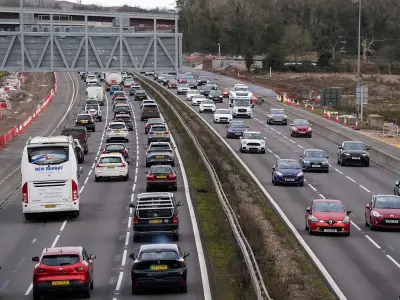
Motorists across the United Kingdom have been issued a stark warning that diesel pumps could start vanishing from local petrol stations in as little as four years, accelerating what industry figures are calling the "death of diesel."
The Urban Shift and the EV Alternative
A new analysis suggests that diesel will likely disappear first from forecourts in towns and cities. John Lewis, the CEO of EV charging firm char.gy, highlighted this trend, pointing to data that shows a direct correlation between the decline of diesel and the rising demand for convenient, local electric vehicle charging.
"Over the next decade, as some filling stations stop stocking diesel, communities will see more reliable on-street charging close to home emerge as a clear alternative," Lewis told the Express. He credited government initiatives like the Local Electric Vehicle Infrastructure (LEVI) fund for speeding up this transition by helping councils install chargers in residential areas.

Why Diesel's Shelf Life is a Problem
Adding to the pressure on diesel is a practical issue of fuel degradation. Ben Nelmes, chief executive of research organisation New AutoMotive, explained that diesel "does not keep well" if it isn't sold quickly. "If fuel sits in tanks without selling at pace, it degrades," he stated.
Nelmes predicts that as diesel becomes less readily available, a growing number of drivers will opt to avoid the potential hassle altogether. "As diesel availability tightens, many motorists will conclude the smartest option is to avoid the headache and go electric," he said.
Government Backing and Industry Caution
In response to the report, a government spokesperson stated there was no evidence that forecourts will cease stocking diesel from 2030. They emphasised ongoing support for the electric transition, citing £7.5 billion in backing for industry and the Electric Car Grant, which has saved nearly 50,000 people up to £3,750 on a new EV.
However, voices within the motoring industry urge caution against writing off diesel prematurely. Steve Gooding of the RAC noted the continued heavy reliance on diesel fuel for commercial vehicles. "It feels like a brave move to call the death of diesel today when the vast majority of the vans and trucks that power our economy are still diesel-fuelled," he said, referencing the crucial role of "White Van Man" and the haulage sector.
The coming years will therefore likely see a fragmented landscape, with urban areas rapidly transitioning to electric alternatives while diesel retains a stronghold in essential commercial transport for the foreseeable future.