Drivers Show Strong Preference for Petrol and Diesel Cars Over Electric Vehicles
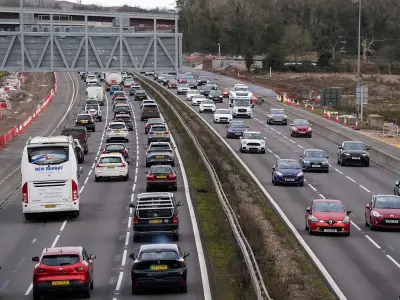
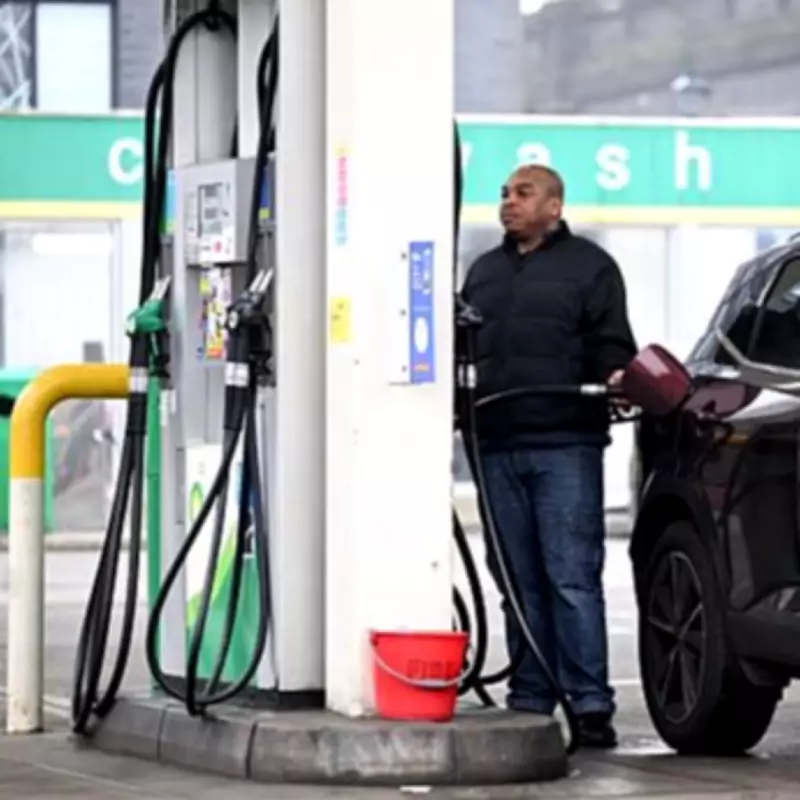
Road users are now 17 times more likely to select a petrol or diesel car for their next vehicle purchase, according to recent research that highlights a significant knowledge gap about electric vehicles. This preference persists despite global tensions that have driven up costs for millions of motorists, raising questions about consumer awareness and the impact of misinformation.
Knowledge Test Reveals Stark Differences in EV Interest
A YouGov survey presented drivers with 10 factual statements about electric cars, revealing that those who performed well in the knowledge test were nearly 14 times more likely to express interest in buying an EV compared to those who scored poorly. However, the majority of respondents struggled with the questions, with 51 percent answering just two or fewer correctly and 84 percent getting five or fewer right. Only 5 percent of all participants indicated a desire for their next vehicle to be electric.
In contrast, among respondents who demonstrated strong EV knowledge—scoring eight or more out of 10—63 percent said they wanted to go electric with their next car purchase. This disparity underscores the critical role that accurate information plays in shaping consumer choices and the transition to cleaner transportation options.

Experts Point to Misinformation as a Key Barrier
Colin Walker, head of transport at the Energy and Climate Intelligence Unit (ECIU), commented on the findings, stating, "A constant stream of misinformation is skewing petrol car drivers' knowledge of EVs. With two-thirds not knowing that EVs are cheaper to own and run than petrol cars, it's clear that many are holding back from making the shift to EVs." This sentiment is echoed by Labour Party MP Perran Moon, who chairs the All Party Parliamentary Group on EVs, who added, "The more misinformed you are, the less likely you are to make the switch to an EV. We need to see robust action from the Government, industry, and media to dispel the myths of misinformation and to ensure that drivers are equipped with the facts when deciding on their next purchase."
Historical Context and Ongoing Challenges
The research findings align with warnings issued two years ago by a House of Lords committee, which described a "concerted campaign of misinformation" surrounding electric vehicles and criticized the then-Conservative Government for lacking urgency in addressing the problem. This persistent issue continues to influence public perception and hinder the adoption of EVs, even as environmental and economic pressures mount.
As the debate over vehicle choices intensifies, the data suggests that improving consumer education and combating false narratives are essential steps toward encouraging a broader shift to electric vehicles. Without such efforts, the preference for petrol and diesel cars may remain entrenched, delaying progress in reducing emissions and adapting to evolving global energy landscapes.