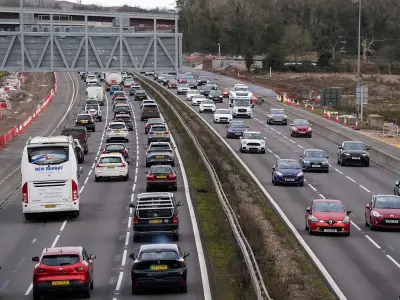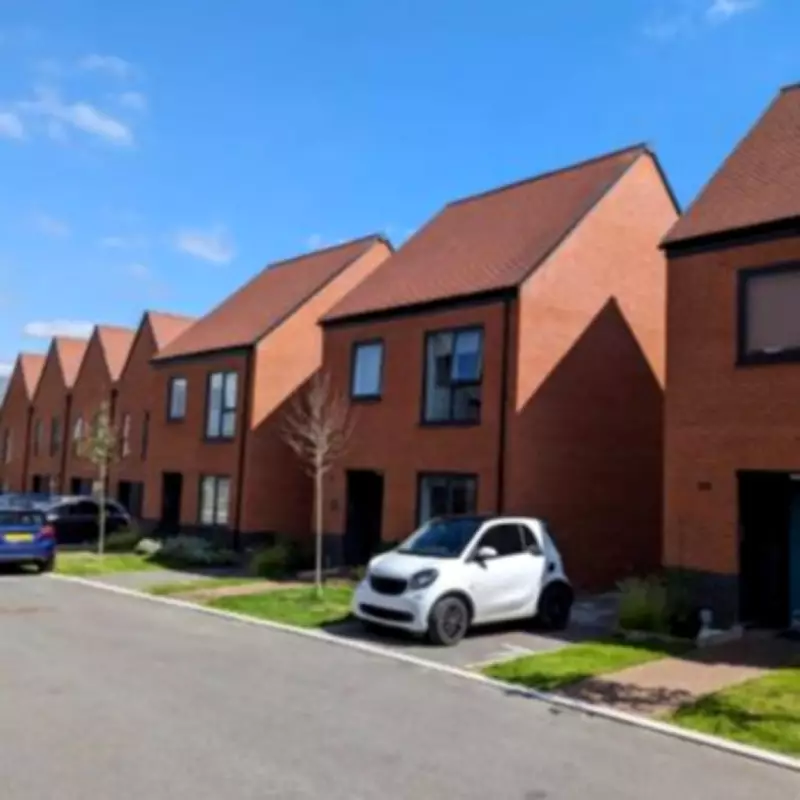
Driveway EV Owners Pay 5% VAT While Public Chargers Face 20% Tax
A straightforward car tax regulation affecting every electric vehicle across the United Kingdom has been strongly condemned as "unfair" by industry experts and motorists alike. The rule creates a significant financial disparity between those who can charge at home and those reliant on public infrastructure.
The VAT Gap: 5% vs 20%
Electric vehicle owners who have the advantage of charging their batteries on their own driveways benefit from domestic electricity tariffs, paying a mere 5% VAT. In stark contrast, drivers who must depend on public charging points are subjected to the full standard rate of 20% VAT. This additional levy has previously been labelled the 'pavement tax', with numerous figures within the EV sector repeatedly calling for the elimination of this charging gap.
Justin Whitehouse, Managing Director at Alvarez and Marsal Tax, highlighted the perceived injustice. "This is a win for common sense. To most people, it feels inherently unfair that those with a driveway can charge their vehicles at a reduced VAT rate, whilst those without off-street parking are left paying the full rate," he stated.

Financial Impact and User Statistics
According to analysis by WhatCar?, reducing the VAT rate from 20% to 5% for public charging could save regular users as much as £389 annually. They further outlined that if these reductions were transferred directly to vehicle owners, drivers could save up to £7.48 each time they recharge their battery from 10% to 80% capacity.
The issue is particularly pressing given current statistics. Figures reveal that approximately 35% of EV drivers in the UK are unable to charge at home and must therefore depend on the public network, despite these steeper associated costs. This creates a substantial financial burden for a significant portion of the electric vehicle community.
Legal Challenges and Regulatory Ambiguity
Whitehouse also pointed to the regulatory complexity. "That said, the legislation has always been difficult to apply in practice, relying as it does on the definition of 'premises' to distinguish between residential and commercial use. Despite industry lobbying, HMRC had not sought to clarify this position, making it almost inevitable that the issue would be challenged," he explained, as reported by the Express.
This challenge materialized last month when a UK court determined that the 5% VAT rate should also extend to certain sections of the public charging network. The ruling followed a case brought by the organization Charge My Street. The First-tier Tribunal supported their argument and dismissed the counter-arguments presented by HMRC.
Expert Interpretation and Political Inaction
Tax specialists at Deloitte have contended that current VAT legislation states the supply of less than 1,000kWh per month of electricity to an individual qualifies as 'domestic'. This interpretation suggests that some public charging locations should logically be charged at the reduced 5% rate, not the higher commercial rate.
There had been some anticipation that Chancellor Rachel Reeves might address this charging disparity in her recent Spring Statement. However, no modifications to the existing VAT costs for public electric vehicle charging were announced, leaving the current system and its inherent inequalities firmly in place for the foreseeable future.