A significant financial disparity in how electric vehicle (EV) owners are taxed for charging their cars is creating what industry figures label a 'two-tier system', unfairly impacting millions of households across the UK.
The VAT Imbalance Creating 'Driveway Discrimination'
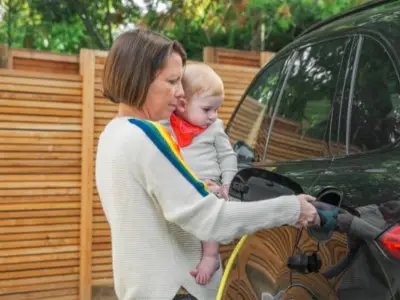
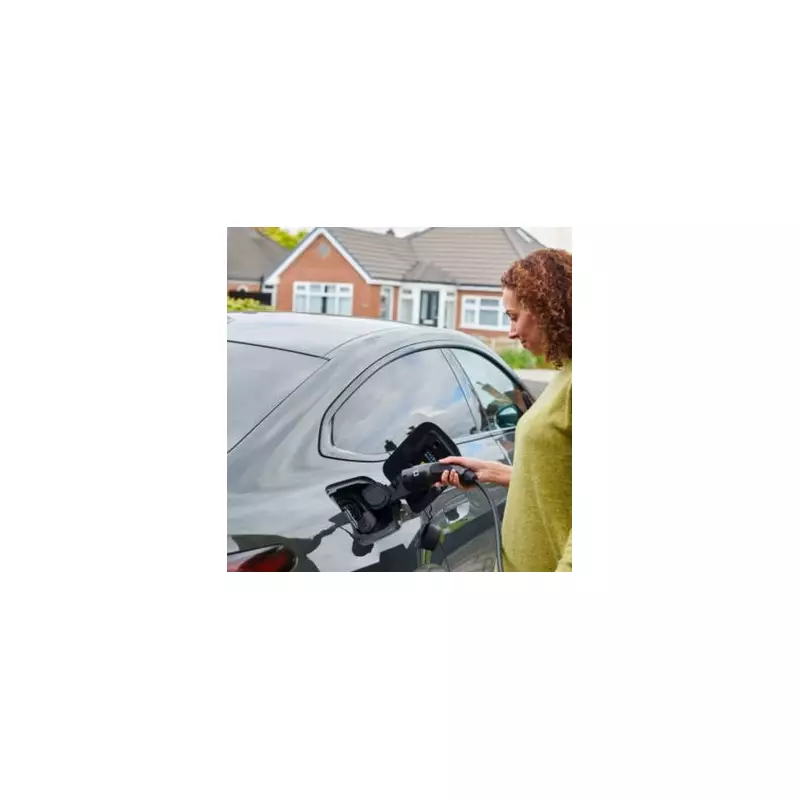
Under the present regulations, the electricity used to charge an electric car at a private home is subject to a reduced VAT rate of just 5%. However, drivers who must use public charging points, typically because they lack access to off-street parking like a driveway or garage, are charged the full standard VAT rate of 20%.
This rule effectively means that homeowners and renters without their own private driveways are forced to pay considerably more to power their vehicles. Matt Galvin, Managing Director of Polestar UK, has highlighted this issue, stating that individuals without driveways are being "penalised" by the current setup.

Industry Calls for Equitable Charging Reform
Speaking to the Express, Galvin emphasised the need for change. "We don’t see owners of EVs without driveways being unfairly punished," he said. "While we await more information on how the bill could benefit EV owners, we have long called for VAT on public charging to match the lower rate applied to home charging."
He stressed that ending 'driveway discrimination' must be a priority. Galvin pointed out that the current system disproportionately affects urban households, which often include younger, less affluent renters and early adopters of electric vehicle technology.
Separately, the sustainable energy company GRIDSERVE is also urging the government to address this imbalance. The firm is backing proposals to align the public charging VAT rate with the domestic one, arguing it is essential for making EV ownership equitable and accelerating the UK's transition to net zero emissions.
Impact on Lower-Income Households and the Green Transition
Daniel Kunkel, CEO at GRIDSERVE, explained the broader social impact. "Removing VAT from public charging would be a significant move towards levelling the playing field and making EV ownership easier for everyone, no matter where they live," he said.
"The current disparity between the 20% VAT on public EV charging and the 5% on home charging puts a disproportionate financial burden on those without home charging facilities, which could affect more lower-income households."
Matt Galvin further contextualised the push for electric vehicles, noting the clear environmental imperative. "Walking around congested towns and cities, the smell of petrol and diesel in the air is unmistakable. This is why previous governments have committed to phase out non-electric vehicles," he stated.
With EV sales rising and the latest models representing peak technology and efficiency, the call for a fairer fiscal framework around charging is growing louder, seen as a crucial step to ensure the green transport revolution benefits all.