The expansion of the United Kingdom's public electric vehicle (EV) charging network has markedly decelerated this year, fresh data reveals, coinciding with ongoing consumer reluctance to fully embrace battery-powered cars.
Charging Figures Show a Cooling Market
According to the latest statistics from the mapping service Zapmap, 87,200 public chargers were operational across the UK by the end of November 2025. This figure represents a net increase of 13,500 devices since the close of 2024, a growth rate that signals a clear slowdown in the pace of infrastructure deployment.
Policy and Cost Challenges Blamed for Slowdown
Industry analysts and representatives point to a confluence of political and economic headwinds. Colin Walker, Head of Transport at the Energy and Climate Intelligence Unit thinktank, stated the cooling installation rate was “no surprise”. He attributed it directly to “rather mixed messages on EVs” from the Labour government.

“Its weakening of the zero emission vehicle mandate could incentivise the sale of plug-in hybrids rather than EVs,” Walker explained. “And while it won’t change the fact that EVs will remain considerably cheaper to run, the 3p per mile tax on EVs risks undermining consumer confidence.”
He warned that depressed EV sales would subsequently erode business confidence, slowing vital investment in the national public charging grid.
From an industry perspective, Vicky Read, Chief Executive of the charging lobby group ChargeUK, cited significant financial pressures. “Across the market charge point operators have been facing rapidly rising costs,” she said, noting this has impacted rollouts in less commercially viable areas. She also highlighted persistent “bottlenecks like connecting to the grid” as a major barrier.
Ultra-Rapid Growth Continues Amid Wider Struggles
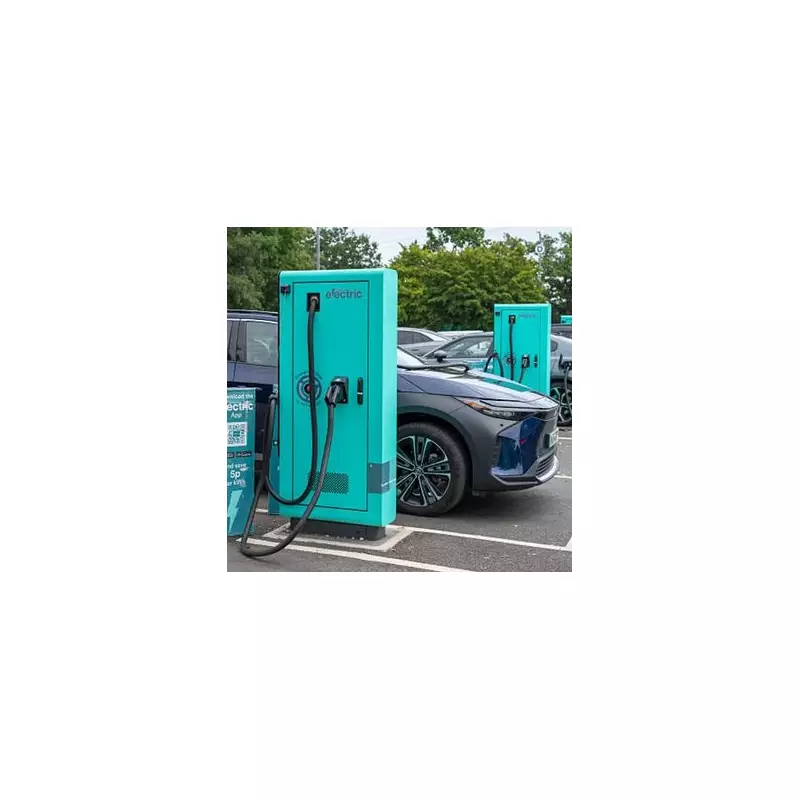
Despite the broader slowdown, Zapmap's Chief Operating Officer, Melanie Shufflebotham, identified one area of robust expansion. “There was still strong growth in ultra-rapid charging,” she confirmed.
However, Shufflebotham echoed concerns over administrative and grid delays, specifically mentioning that processes for the government's LEVI (Local Electric Vehicle Infrastructure) fund had taken longer than expected, further hampering progress.
The combined evidence from the data and expert commentary paints a picture of a critical UK infrastructure programme at a crossroads, needing clearer policy support and resolved practical obstacles to regain its momentum and meet future demand.