EV Drivers Could See Charging Costs Slashed in Major VAT Rule Change
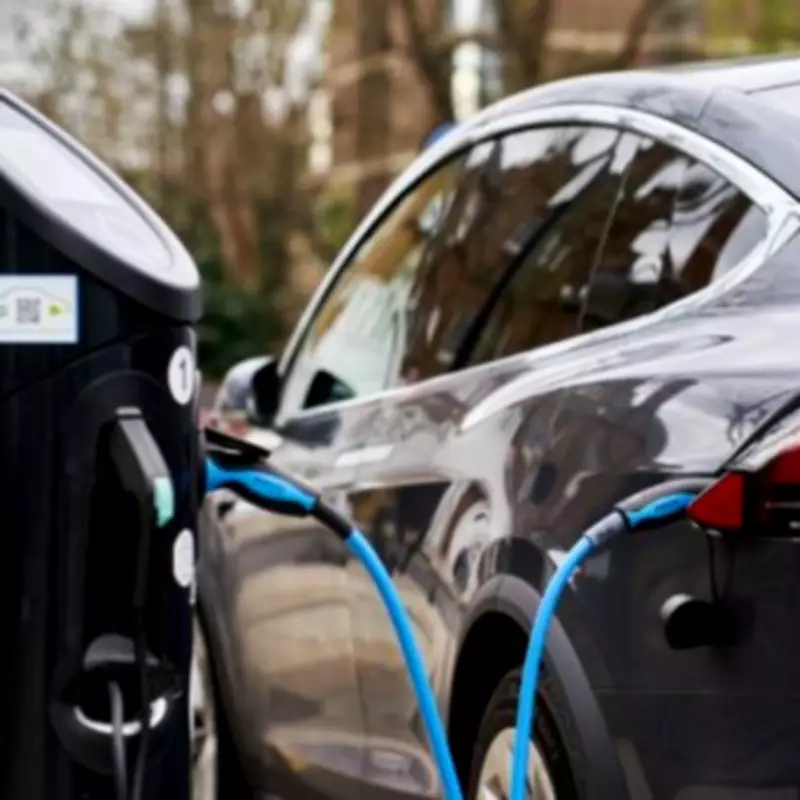
Electric vehicle drivers across the UK could soon benefit from significantly reduced charging costs following a landmark legal case that challenges current VAT rules. The case, spearheaded by northern England chargepoint operator Charge My Street, argues that public electric vehicle chargers should attract the same reduced VAT rate as home charging.
The VAT Disparity Challenge
Currently, public EV charging stations are subject to a 20% VAT rate, while home charging enjoys a much lower 5% rate. Charge My Street has successfully argued before a tribunal that this discrepancy unfairly penalizes drivers who cannot charge at home, particularly those without access to private premises.
Tribunal judge Harriet Morgan ruled that the current 20% VAT rate "disadvantaged less well-off consumers who do not have their 'own' premises", highlighting the social inequality embedded in the current taxation system for electric vehicle infrastructure.

Potential Savings for Motorists
The financial implications of this ruling could be substantial for EV drivers. Currently, motorists pay approximately 83.2p per kilowatt hour at ultra-rapid public chargers and 82.1p per kWh for rapid chargers. If the VAT rate were reduced from 20% to 5%, drivers would see immediate and significant savings on their charging costs.
Daniel Heery, director of Charge My Street, emphasized the broader importance of the ruling: "This is a hugely important outcome, not just for Charge My Street, but for communities across the UK who rely on affordable, local EV charging."
Broader Energy Context
The potential VAT reduction comes amid broader concerns about energy security and fuel costs. With petrol and diesel prices soaring due to ongoing Middle East tensions, the timing of this ruling could provide crucial relief for drivers transitioning to electric vehicles.
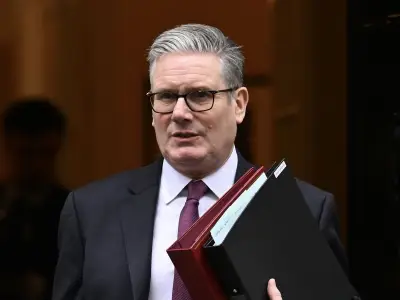
At a recent Downing Street press conference, Prime Minister Keir Starmer addressed energy supply concerns, stating the government was taking "all necessary measures" to secure fuel supplies. This follows warnings from energy experts about potential supply shortfalls in the coming months.
Nick Butler, former BP vice president and special adviser to Gordon Brown, cautioned that UK ministers should prepare for a "significant shortfall of supply over the next two months" due to international conflicts, suggesting that "a form of rationing" might become necessary.
Government Response and Future Outlook
When questioned about energy supply concerns, Prime Minister Starmer emphasized the government's commitment to maintaining energy security through a balanced approach: "We're actually using more renewables now than we were in 2022, which is helping in relation to supply but we'll keep that under constant review."
The VAT ruling represents a potential turning point for electric vehicle adoption in the UK, potentially making EV ownership more accessible and affordable for a broader range of consumers, particularly those without access to private charging facilities.