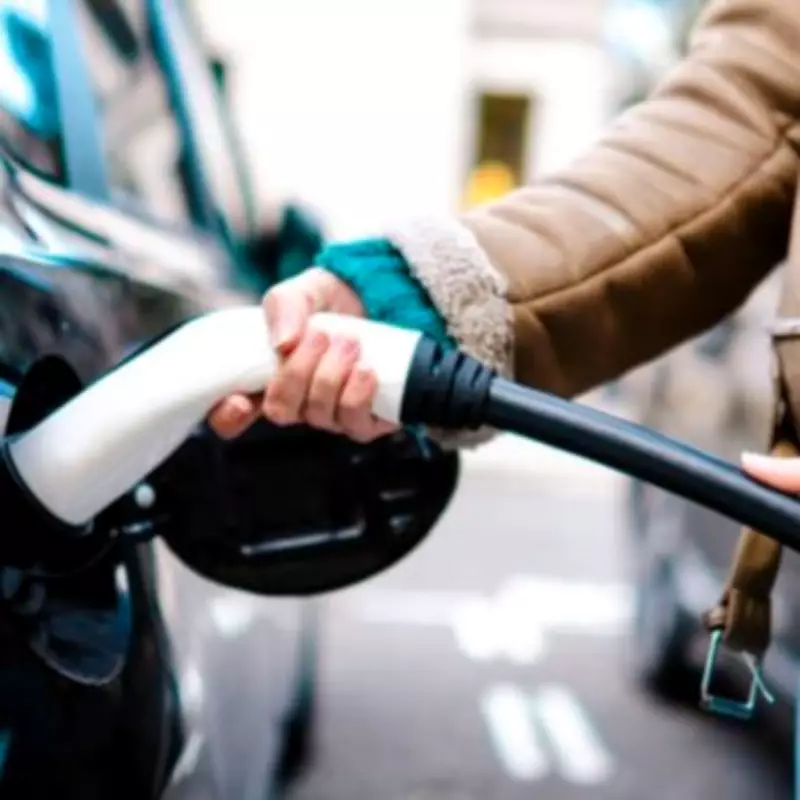
Electric Cars Could Provide Emergency Home Power During Blackouts
Electric vehicles could serve as a crucial lifeline for thousands of households during power outages in England, according to a new innovation project focused on disabled and medically dependent residents in the North East region.
Power Wheels Project Launches with Ofgem Funding
Motability Operations is delivering the Power Wheels initiative, an Ofgem-funded innovation project specifically targeting disabled and medically dependent households across the North East of England. The groundbreaking project will explore how electric vehicle batteries could provide temporary backup power to help maintain essential medical equipment during electricity disruptions.
Through the Motability Scheme, Motability Operations supports thousands of disabled individuals across the United Kingdom, including more than 12,500 electric vehicle customers in the North East region alone. Many of these residents rely heavily on electricity for essential care, mobility assistance, and maintaining their independence in daily life.

Addressing Critical Needs for Vulnerable Households
For medically dependent households, power cuts represent far more than mere inconvenience. Electricity disruptions can interfere with vital medical equipment and create serious risks to health and safety. The Power Wheels project aims to develop solutions that could transform electric vehicles into emergency power sources during such critical situations.
During the project's initial phase, Motability Operations collaborated with disabled customers and partners to identify practical features that would make electric vehicle energy services both safe and reliable within home environments. This research focused on several key areas:
- Information sharing about accessible two-way chargers that can return energy from electric vehicles to homes
- Exploring how these systems could better support disabled individuals by charging medical equipment and mobility aids directly from electric vehicles
- Developing simple, accessible controls to safeguard battery charge levels
- Creating clear guidance to help disabled drivers understand when their vehicles require recharging
Designing Technology Around Real Needs
Andrew Miller, Chief Executive of Motability Operations, emphasized the importance of inclusive design in emerging technologies. "As the United Kingdom transitions toward electric vehicles, it's absolutely vital that this shift supports disabled people's freedom and independence," Miller stated. "New technologies must be designed around real lives and actual needs rather than theoretical applications."
Miller further explained the project's significance: "Power Wheels provides us with a valuable opportunity to work closely with customers and partners to explore how electric vehicles could offer benefits beyond transportation. This initiative could enhance medical resilience, helping people feel safer and more confident when unexpected disruptions occur."
Informing Future National Implementation
The insights gained from the Power Wheels project will help determine how similar approaches could be developed safely and implemented effectively across the United Kingdom. By focusing initially on the North East region, researchers can gather practical data about the real-world application of electric vehicles as emergency power sources for vulnerable households.
This innovative approach represents a significant step toward creating more resilient communities, particularly for those who depend on continuous electrical power for medical and mobility needs. As electric vehicle adoption continues to grow across England, projects like Power Wheels demonstrate how this technology could serve multiple purposes beyond transportation, potentially transforming how society approaches emergency preparedness and energy security for vulnerable populations.