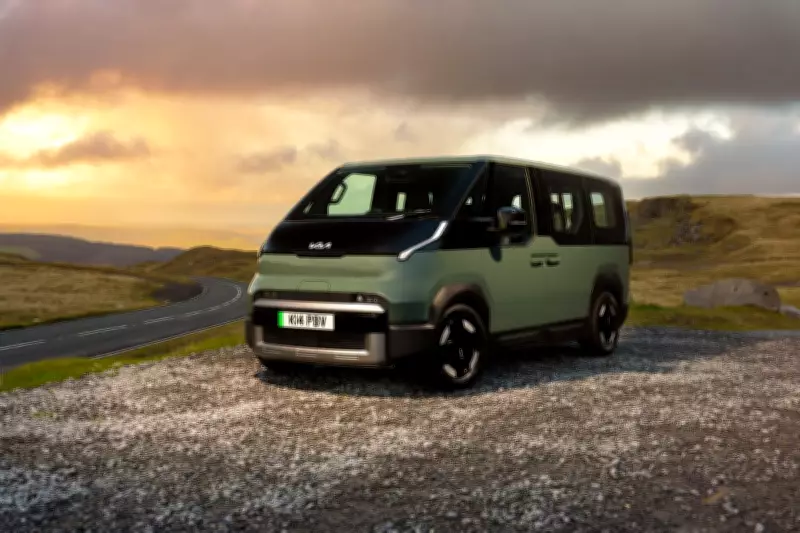
Kia PBV Passenger Review: The Electric 'Lego Car' That Could Revolutionise Transport
Published on 5th April 2026, the Kia PBV Passenger has sparked curiosity with its unconventional appearance, yet it holds the potential to redefine personal and commercial transport. This electric vehicle concept blends elements of a van, MPV, and a blank canvas, offering an affordable platform that could reshape how we view family cars and work vehicles.
First Impressions and Design Concept
When parked outside a home, the Kia PBV Passenger often draws questions like, 'What on earth is that?' from neighbours. Describing it as an all-electric platform with a modular design might sound technical, but the real intrigue lies in exploring its features. The launch model features huge sliding doors and a massive boot, revealing an interior spacious enough for gatherings, showcasing the versatility of this template before Kia adapts it into various specialised vehicles.
The design is bold and function-led, earning it the nickname 'Lego car' due to its flat, skateboard-like electric base that can have different bodies or cabins bolted on top. This modularity opens up endless possibilities, such as companies transforming it into lavish campervans or delivery services customising it for bulky cargo. It could even serve as a base for autonomous passenger pods, making the current MPV-style model seem modest by comparison.

Interior and Practicality
Inside, the PBV Passenger feels utilitarian yet practical. The dashboard prioritises function over form, with no centre console between seats, enhancing roominess and ergonomics. Large windows improve visibility, and the column-mounted gear selector is surprisingly easy to adapt to. As a five-seater, it resembles a massive estate car or an empty MPV, with vast boot space that hints at future seven-seater versions. This practicality evokes nostalgia for people carriers, challenging the modern SUV trend.
Kia has also launched a cargo version to highlight its load-lugging capabilities, but excitement builds for the upcoming seven-seater and potential camper van adaptations. Notably, the PBV is affordable, with prices starting around £33,000, making it a compelling alternative to options like the VW ID. Buzz, which costs nearly double.
Performance and Potential Drawbacks
On the road, the PBV Passenger drives remarkably well for its size, with secure cornering, good acceleration, and a smooth ride, thanks to its E-GMP platform. However, there are some challenges. The exterior design, reminiscent of the Fiat Multipla, may not appeal to everyone, though styling concerns are less critical today. Range options include 183 or 256 miles, varying with the vehicle's configuration, while charging speed is limited to 150kW, which might suit commercial fleets but could be a drawback for campervan users or large families.
Future Prospects and Conclusion
As a five-seater, the PBV Passenger suits families who travel heavy, but as a seven-seater, it becomes an affordable, super-practical choice. For commercial use, it promises to be a reliable workhorse. Ultimately, the PBV shines as a design concept that encourages creativity, potentially spawning new generations of leisure, family, and commercial vehicles. With Kia's current streak of innovation, this modular electric vehicle could indeed be a game-changer in the transport industry.