Electric vehicle (EV) owners in London have been hit with a significant new cost from today, as the capital's long-standing congestion charge exemption for clean vehicles comes to an end.
Congestion Charge Changes for All Drivers
From 2 January 2026, the rules for the Central London Congestion Charge have undergone a major overhaul. Previously, EV drivers benefited from a 100% discount, allowing them to enter the zone for free. That discount has now been dramatically reduced to just 25%.
Simultaneously, drivers of traditional petrol and diesel cars will also pay more. The daily fee for these vehicles has increased from £15 to £18, marking the first rise since 2020.

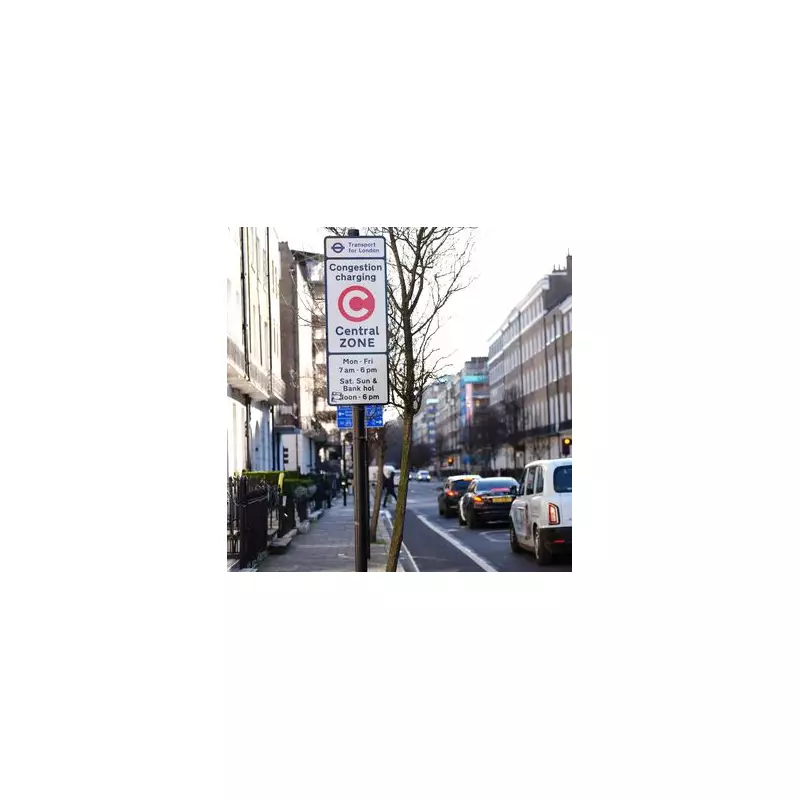
The charge, managed by Transport for London (TfL), is designed to cut traffic and pollution. It applies from 7am to 6pm on weekdays and from 12pm to 6pm on weekends and bank holidays. Payment must be made to TfL either in advance or by midnight on the day of travel, with late payments incurring a higher fee and penalties for non-compliance.
Future Reductions and Heavier Vehicle Rules
The changes are set to become even more stringent in the coming years. From 4 March 2030, the EV discount will be reduced further to just 12.5% for cars. For vans and lorries, the rules differ slightly; they are currently eligible for a 50% discount, which will also be reduced to 25% in 2030.
Parallel Increase in Vehicle Excise Duty (VED)
This shift in London's charging policy coincides with broader national tax changes for polluting vehicles. Under new Vehicle Excise Duty (VED) rates introduced by the Labour government, the most polluting cars will face a substantial annual bill from April.
According to motoring experts, models emitting over 255g/km of CO2 will be hit with a charge of £790 per year. This represents a £30 increase on the current rate of £760.
For drivers needing to tax their vehicle, the process remains straightforward. The UK government's online 'tax your vehicle' service is the most common method, requiring either a reminder letter reference number or vehicle details. Payments can be spread monthly or paid in a six or twelve-month lump sum. The traditional option of taxing a vehicle at a Post Office also remains, requiring the V5C logbook, and valid MOT and insurance certificates.
These combined policies signal a clear move by authorities to gradually phase out financial incentives for electric vehicles as their adoption grows, while simultaneously increasing the cost of driving the most environmentally damaging cars on both a local and national level.